Anti-Drug Abuse Act at 40: Penalties Codified, Treatment Funding Left to Annual Votes
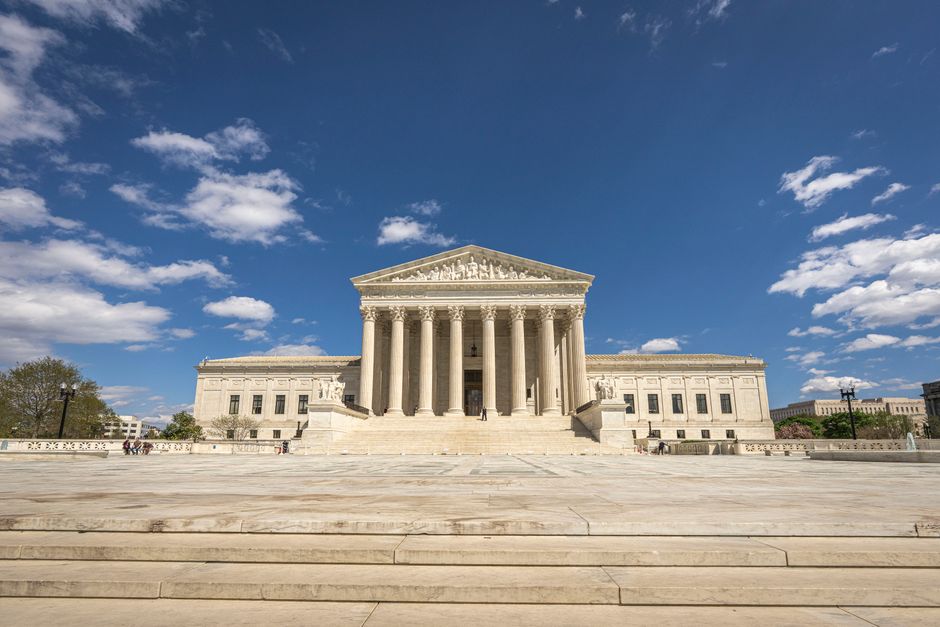
Four decades of congressional budgeting have created a structural asymmetry in federal drug policy: mandatory minimum sentences are permanent statute, while treatment dollars must be re-approved...
Federal drug law carries a structural imbalance that has persisted for 40 years. The mandatory minimum sentences Congress enacted in the Anti-Drug Abuse Act of 1986 are permanent features of the United States Code, while funding for drug treatment programs has remained subject to annual appropriations battles, according to a review published by The Hill.
The Anti-Drug Abuse Act of 1986 was signed into law by President Ronald Reagan on October 27, 1986. The legislation established, among other provisions, mandatory minimum sentences tied to drug quantity thresholds, including the now widely debated 100-to-1 sentencing disparity between crack cocaine and powder cocaine offenses. Those sentencing structures were written directly into statute and do not require congressional reauthorization to remain in force.
Treatment and rehabilitation funding, by contrast, was not permanently appropriated by the 1986 law. Federal drug treatment programs, including those administered through the Substance Abuse and Mental Health Services Administration (SAMHSA), receive their annual funding through the Labor, Health and Human Services, and Education appropriations bill. That bill has been among the most frequently delayed or bundled into omnibus spending packages in recent congressional history.
The practical consequence of this design is that prosecutors and courts have operated under legally fixed sentencing floors for four decades, while the treatment capacity available to defendants, inmates, and communities has fluctuated based on each year's political and fiscal environment. The Congressional Budget Office has not published a consolidated 40-year accounting of treatment funding relative to incarceration costs under the 1986 law, and such a comparison does not currently exist in a single public document.
Congress did revisit one element of the 1986 law in 2010. The Fair Sentencing Act, passed with bipartisan support and signed by President Barack Obama, reduced the crack-to-powder cocaine sentencing disparity from 100-to-1 to 18-to-1. The vote in the Senate was by unanimous consent; the House passed the measure 361 to 60, according to the congressional record. The change was not retroactive until the First Step Act of 2018, signed by President Donald Trump, allowed federal prisoners sentenced under the old ratio to petition courts for sentence reductions.
The First Step Act, passed in December 2018, also expanded some prison-based drug treatment and recidivism reduction programming. The legislation authorized, though did not permanently appropriate, funding for the Risk and Needs Assessment System and the Evidence-Based Recidivism Reduction Program within the Bureau of Prisons. Implementation funding for those programs has since appeared in successive annual appropriations requests, not in permanent law.
Federal spending on incarceration is largely built into the Bureau of Prisons baseline budget, which in fiscal year 2024 was approximately 8.3 billion dollars, as reported in the Department of Justice budget justification submitted to Congress. SAMHSA's total discretionary budget for fiscal year 2024 was approximately 6.8 billion dollars, covering mental health programs as well as substance use disorder treatment, according to the SAMHSA fiscal year 2024 congressional justification document. Those figures are not directly comparable because they cover different populations and purposes, but they illustrate the separate appropriations tracks on which incarceration and treatment operate.
The political economy of the two tracks has also differed. Mandatory minimums, once enacted, do not require advocacy coalitions to defend them each year. Treatment appropriations do. Advocacy organizations on both the left and the right have noted this asymmetry in testimony before the Senate Judiciary Committee and the House Energy and Commerce Committee over multiple congressional sessions, though a comprehensive legislative record of those hearings is spread across multiple congressional terms.
Several bills introduced in recent sessions have proposed placing certain treatment funding on a mandatory rather than discretionary spending track. None have cleared committee in the current Congress. The text of any such proposals is available through Congress.gov, and their sponsor lists and committee referrals are public record.
What remains unknown is whether the current Congress intends to take up any legislation altering the funding structure before the 40th anniversary date later this month. No markup has been publicly scheduled in either the Senate Judiciary Committee or the House Judiciary Committee as of October 23, 2026. Committee hearing schedules, which are public, would be the first indication of any legislative movement. A full accounting of how treatment funding levels have tracked against incarceration population growth since 1986 would require a formal request to the Government Accountability Office, which has the authority and methodology to produce that comparison.