South Korea Urges UN Security Council to Hold North Korea Accountable for DMZ Mine Blasts
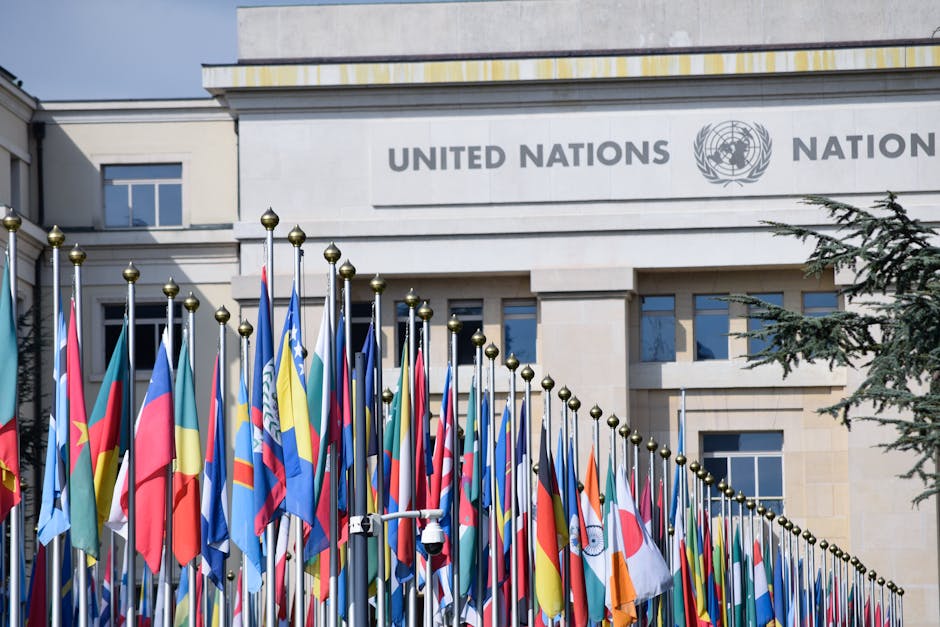
Seoul's formal letter to the UNSC signals a shift toward multilateral diplomatic pressure on Pyongyang over a border incident that injured three soldiers last month.
South Korea has formally requested that the United Nations Security Council hold North Korea accountable for a land mine explosion near the inter-Korean border that injured three South Korean soldiers in September, according to officials cited by the Korea Times on October 23, 2026.
South Korean Ambassador to the United Nations Cha Ji-hoon delivered a roughly two-page letter to the UNSC president outlining Seoul's position, according to the Korea Times. The letter calls on North Korea to apologize and accept responsibility for the incident.
The Demilitarized Zone, a 250-kilometer buffer strip separating the two Koreas established under the 1953 Armistice Agreement, is one of the most heavily mined stretches of territory in the world. The Korean People's Army has historically laid mines throughout the zone, and incidents involving accidental detonations, while infrequent, have occurred on both sides of the border over the decades.
North Korea has not publicly acknowledged the September explosion or responded to South Korea's demand for an apology, according to available reporting as of the date of publication. What would clarify the incident further is an independent technical assessment of the mine type and its placement relative to demarcation lines, which has not been publicly disclosed.
Seoul's decision to escalate the matter to the UNSC is notable because China and Russia, both permanent members with veto authority, have historically opposed resolutions that place punitive pressure on Pyongyang. Any binding Security Council action would require the agreement of all five permanent members, making a formal resolution difficult to pass.
The letter represents a formal diplomatic record rather than a binding legal instrument. By lodging the communication with the UNSC president, South Korea places the incident into the official record of the council, which can influence future deliberations even if no resolution is passed.
Relations between North and South Korea have remained formally severed at a practical level since Pyongyang cut inter-Korean communication lines in 2020. South Korea's Unification Ministry has repeatedly called for dialogue, but no formal talks have taken place since that period, according to South Korean government statements.
The September mine incident is the latest in a series of border-area provocations documented by Seoul. South Korea's Joint Chiefs of Staff have previously reported balloon launches carrying trash across the border, GPS jamming operations, and what the South Korean military described as a brief incursion by North Korean troops south of the military demarcation line in late 2024, according to prior South Korean Defense Ministry statements.
The United States, which maintains approximately 28,500 troops in South Korea under the U.S.-South Korea Mutual Defense Treaty of 1953, has a treaty obligation to treat an armed attack on South Korea as an attack requiring a joint response. Whether the mine explosion qualifies as a triggering event under that treaty has not been assessed publicly by the U.S. Department of Defense as of this report.
South Korea's ambassador submitted the letter on Thursday, Washington time, according to the Korea Times. The UNSC has not announced any scheduled session to take up the matter as of October 22, 2026.