Ukraine and Russia Both Signal Readiness for Trilateral Talks With U.S.
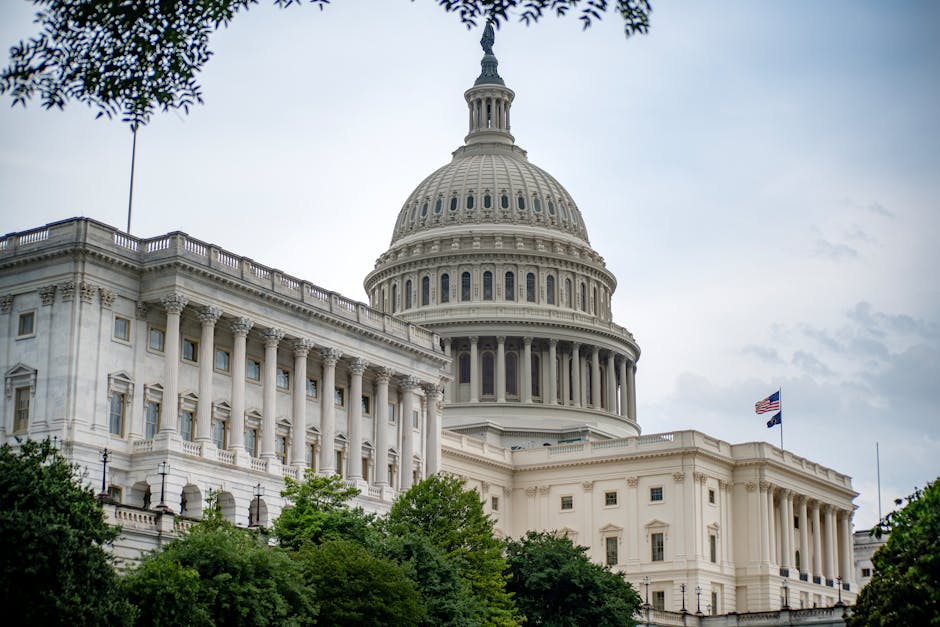
If negotiations resume in mid-November as proposed, it would mark the first structured three-party diplomatic framework involving Washington, Kyiv, and Moscow since the current phase of the war began.
Both Ukraine and Russia have indicated readiness to resume trilateral negotiations involving the United States, according to Le Monde, which reported the developments on October 22, 2026.
Yuri Ushakov, the Kremlin's diplomatic adviser, stated that Moscow is prepared to resume the trilateral talks in mid-November, according to Le Monde. The statement represents the clearest signal from the Russian side in recent months that formal contact with U.S. And Ukrainian representatives could resume on a structured schedule.
The Kremlin did, however, characterize proposals put forward by Ukraine and European governments at a meeting in Oslo the previous day as containing little of substance. Ushakov's remarks did not specify which elements of the Oslo proposals Moscow found inadequate, and no Kremlin readout detailing those objections was available at time of publication.
Ukraine's readiness to participate in the trilateral format was confirmed separately, also per Le Monde's live coverage of the conflict. The Ukrainian government did not publicly withdraw from the Oslo framework at the same time, leaving open the question of whether Kyiv would pursue both tracks simultaneously or treat them as alternatives.
The Oslo meeting, held on October 21, 2026, brought together Ukrainian officials and European partners. The specific proposals discussed there were not fully disclosed in available public records as of this report. What is known is that the Kremlin reviewed those proposals and deemed them insufficient as a basis for movement, while still leaving the door open to the U.S.-mediated trilateral channel.
The trilateral format, involving the United States as a third party alongside Ukraine and Russia, differs from the broader European-led diplomatic track that has run in parallel. The involvement of Washington as a direct participant in any formal negotiation carries implications for U.S. Policy commitments, resource allocation, and diplomatic standing in the conflict. The precise role the U.S. Would play in any resumed talks, whether as mediator, guarantor, or observer, was not specified in the available sourcing.
No date, location, or agenda for the proposed mid-November talks had been formally confirmed by any of the three parties as of October 22, 2026. What would confirm whether the talks are moving forward includes an official joint announcement from at least two of the three parties, a agreed venue, and a stated agenda.
The conflict in Ukraine, which escalated with Russia's full-scale invasion in February 2022, has seen multiple rounds of early-stage negotiations collapse. Talks held in Istanbul in March and April 2022, documented at the time by Reuters and other outlets, ended without agreement. No sustained multilateral negotiation format involving both Washington and Moscow has been publicly active since that period.
The U.S. Posture toward direct participation in negotiations has shifted at various points across two administrations. The current administration's specific stance on joining mid-November talks was not on record in available public sources at the time of this report.
For context on recent U.S. Legislative engagement with the Ukraine conflict, see GOP Rep. Fitzpatrick Calls for House Investigation Into Starlink Ukraine Slowdown, which covers a related congressional oversight development.
What remains unknown is whether the mid-November timeline will hold, which U.S. Officials would represent Washington, and whether the gulf between the Oslo proposals and Moscow's stated position can be narrowed before any scheduled meeting. Public statements from all three governments in the coming days are the most likely source of clarification.