Supreme Court Declines to Reinstate BOP Transgender Inmate Treatment Policy
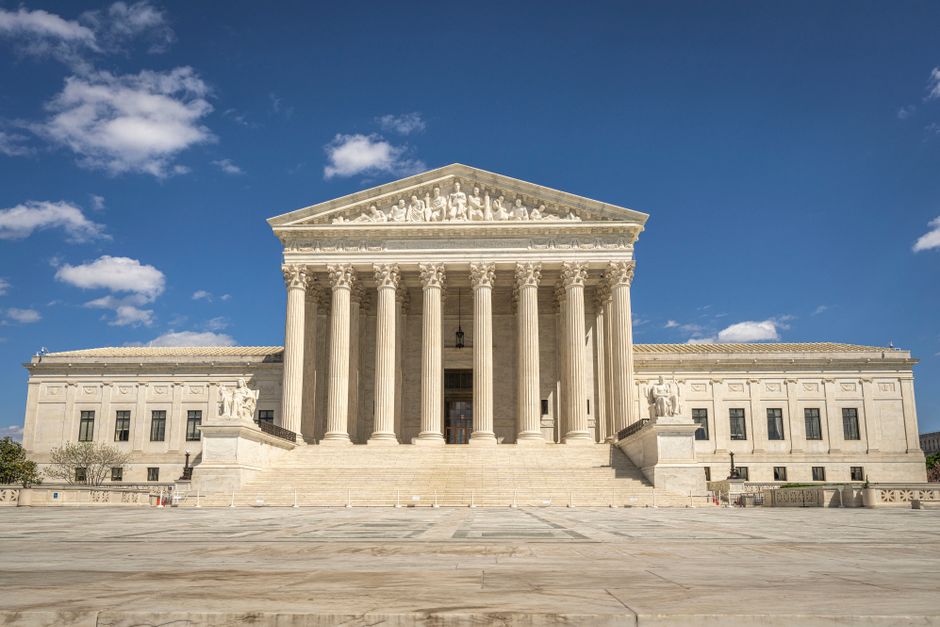
The Court's refusal to lift a lower court injunction leaves the Bureau of Prisons unable to implement its proposed tapering of hormone treatments and surgical procedures, pending further litigation.
The United States Supreme Court on Wednesday declined to grant the Trump administration's emergency request to reinstate a Bureau of Prisons policy that would have restricted hormone treatments and certain surgical procedures for transgender inmates, according to The Hill. Justices Clarence Thomas and Samuel Alito dissented from the Court's decision not to act.
The BOP policy at issue would have tapered hormone treatments for inmates currently receiving them and halted the provision of certain surgeries. A federal district court judge had previously issued an injunction blocking the policy from taking effect. The Supreme Court's refusal to lift that injunction means the lower court's block remains in place while the underlying litigation continues.
The administration had sought emergency relief from the Supreme Court after the lower court order prevented implementation of the policy. Emergency applications of this kind ask the Court to intervene before a case has been fully argued and decided on the merits. The Court's order did not include a written explanation for declining to act, which is standard practice when the Court denies such applications without noted dissent beyond the two justices identified.
Justices Thomas and Alito, both members of the Court's conservative wing, noted their dissent from the decision not to revive the policy. Neither justice, according to available reporting, issued a written dissenting opinion explaining their reasoning. It is unknown at this time whether either justice intends to file a written statement at a later date; such a document, if filed, would appear in the official Supreme Court record.
The Bureau of Prisons, which operates under the Department of Justice, oversees the medical care of approximately 158,000 federal inmates, according to BOP population data published on its official website. The number of federal inmates currently receiving hormone therapy or who had been scheduled for surgical procedures under prior BOP guidelines is not specified in available public reporting. A Freedom of Information Act request to the BOP or a congressional oversight inquiry would be the appropriate mechanism to obtain that figure.
Federal courts have addressed transgender inmate medical care in multiple prior cases. In 2022, the Ninth Circuit Court of Appeals ruled in Edmo v. Corizon Health that denying gender-affirming surgery to a transgender inmate could constitute cruel and unusual punishment under the Eighth Amendment, citing that circuit's precedent. The Supreme Court has not issued a definitive ruling on the constitutional floor for transgender inmate medical care, leaving the legal landscape governed largely by circuit-level decisions and district court injunctions.
The Trump administration's BOP policy was part of a broader set of executive actions addressing gender-related federal policies issued following the administration's return to office in January 2025. Those actions, issued via executive order, directed federal agencies to apply a binary definition of sex in their programs and operations. The specific executive order directing BOP to revise its inmate medical care guidelines has not been identified by name in current reporting; the White House Office of the Federal Register would be the authoritative source for the full text of any such directive.
Opponents of the BOP policy, including civil liberties organizations that brought the underlying lawsuit, argued that abruptly tapering treatments already in progress posed medical risks to affected inmates. The legal theory underlying the injunction centers on whether the policy violates the Eighth Amendment's prohibition on cruel and unusual punishment and, in some filings, the equal protection principles applicable to federal programs. The specific case name and docket number of the district court proceeding were not included in available reporting; the federal PACER court records system would contain all filings.
Proponents of the policy, including administration officials, have argued that the federal government should not be required to fund procedures they characterize as elective, and that the policy reflects a legitimate penological interest. The administration's full legal brief submitted to the Supreme Court in support of its emergency application has not been excerpted in current reporting but would be publicly available through the Supreme Court's docket system.
What remains unknown is the timeline for resolution of the underlying district court case, whether the government will seek further appellate review in the relevant circuit court before returning to the Supreme Court, and how many inmates are directly affected by the injunction's continued operation. The district court docket and any forthcoming BOP rulemaking filings in the Federal Register would provide the next material disclosures in this matter.