Trump Tells Ukraine to Accept Peace Deal, Blames Zelenskyy for Delay
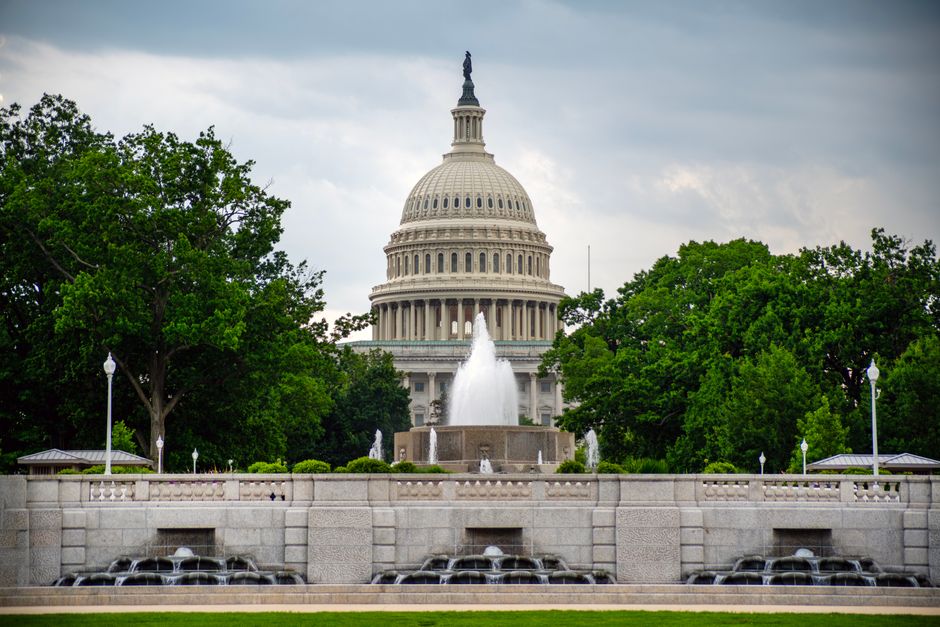
The public pressure campaign from Washington signals that U.S. Diplomatic leverage is now being directed at Ukraine as much as at Russia, complicating European-backed negotiating positions.
U.S. President Donald Trump publicly increased pressure on Ukraine on Tuesday, October 20, 2026, to reach a peace agreement with Russia, telling reporters at the White House that he does not care how a deal is structured, only that one is reached. The statement, reported by Al Jazeera, marks an intensification of Trump's direct criticism of Ukrainian President Volodymyr Zelenskyy.
Trump characterized Zelenskyy as the primary obstacle to ending the war, a framing that places public blame on Kyiv rather than Moscow for the continuation of the conflict. The precise conditions Trump has proposed or endorsed in any draft framework have not been disclosed publicly by the White House, and the full terms of any U.S. Position remain unknown pending an official policy statement.
The remarks follow a pattern documented in recent months in which Trump has expressed frustration with Zelenskyy in personal as well as diplomatic terms. European governments have noted this tension. As reported previously by The Congressional Times, Europeans Warn U.S.-Ukraine Diplomacy Stalled by Trump-Zelenskyy Personal Rift, with allied capitals concerned that the bilateral relationship between Washington and Kyiv has become an independent variable in ceasefire talks.
The Russia-Ukraine war began with Russia's full-scale invasion of Ukraine in February 2022, according to United Nations records. As of mid-2026, the conflict has continued for more than four years, with frontline positions shifting incrementally across eastern and southern Ukraine. No formal ceasefire agreement has been signed by any party.
Trump's Tuesday statement did not specify what territorial or sovereignty concessions Ukraine would be required to accept, nor did it name a mediating party or forum. What would clarify the U.S. Position is a formal written proposal submitted to Ukraine and Russia through diplomatic channels, which has not been publicly confirmed as of the date of this report.
Ukraine's government has repeatedly stated, in public addresses and at United Nations forums, that it will not recognize Russian sovereignty over territories occupied since 2022 or 2014. Zelenskyy reiterated a version of this position as recently as September 2026, according to Ukrainian presidential office records. A deal that requires Ukraine to cede territory would require Zelenskyy to reverse that stated position.
The European Union and NATO member states have maintained a separate diplomatic track, providing military assistance to Ukraine and endorsing a negotiation framework based on Ukraine's territorial integrity under the United Nations Charter. The degree to which the Trump administration has coordinated its current posture with European partners is not publicly confirmed.
U.S. Military and financial assistance to Ukraine has been a central point of contention in American domestic politics since 2022. The current status of authorized aid packages and any conditions attached to continued support by the Trump administration have not been detailed in a public White House document as of October 20, 2026.
Historically, U.S. Administrations have used public pressure on allied governments during conflict negotiations, including in the 1990s Balkan peace process, where the Clinton administration pushed Bosnian and Croatian leaders to accept the Dayton Agreement framework in 1995. Whether the current situation follows a comparable negotiating logic or represents a different strategic approach is a matter that analysts and official statements have not resolved with confirmed information.
The next identifiable event that would clarify the trajectory of U.S. Ukraine policy is a formal diplomatic communication from the State Department or National Security Council, or a direct meeting between Trump and Zelenskyy, neither of which has been publicly scheduled as of the time of publication.