APEC Convenes in Hong Kong as 500 Delegates Gather for Trade Talks
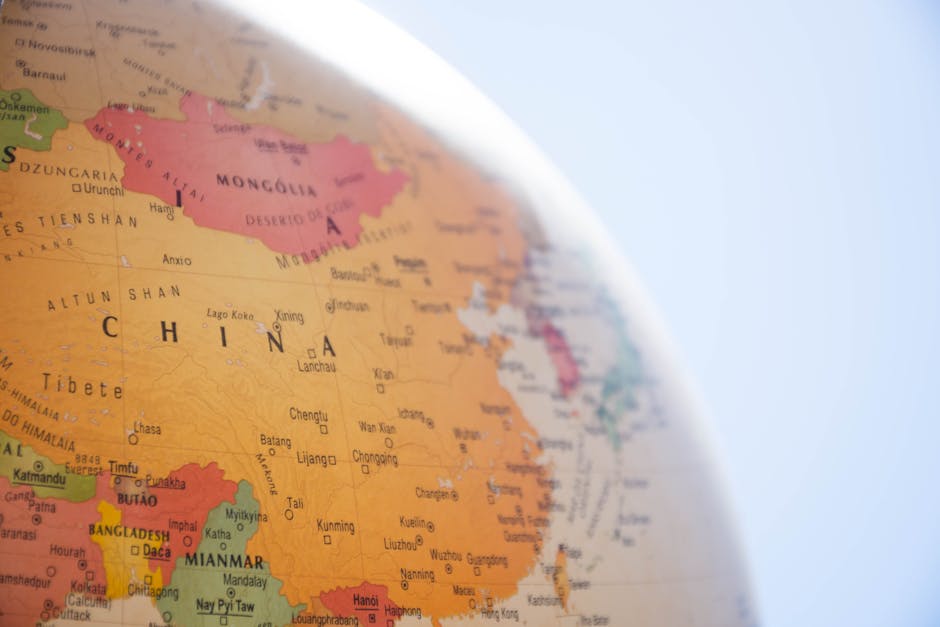
Hong Kong's hosting of the APEC senior officials meeting places the city at the center of Asia-Pacific economic diplomacy at a moment when regional trade frameworks remain under active negotiation.
Approximately 500 delegates from Asia-Pacific Economic Cooperation member economies have arrived in Hong Kong for an APEC meeting, according to the South China Morning Post. The gathering marks a significant moment for Hong Kong as a venue for multilateral economic dialogue.
APEC is a forum of 21 member economies that collectively account for approximately 60 percent of global GDP and about 47 percent of world trade, according to the APEC Secretariat's published figures. Member economies include the United States, China, Japan, Australia, Canada, Mexico, Russia, and South Korea, among others.
The South China Morning Post reported that the meeting brings senior officials together ahead of the annual APEC Leaders' Summit, which typically sets the agenda for trade, investment, and economic cooperation across the Pacific Rim. The precise policy items under discussion at this Hong Kong session were not fully detailed in the available source material at the time of publication.
Hong Kong last hosted an APEC meeting in 2001, when the annual leaders' summit was held there following a period of significant change in the territory's governance after the 1997 handover from British to Chinese administration. The decision to convene APEC officials in Hong Kong in 2026 reflects the city's continued role as a regional financial and logistics hub, despite political changes in recent years.
Hong Kong's status within international forums has been a subject of ongoing discussion among member governments. Under the "one country, two systems" framework, Hong Kong participates in APEC as a separate economy from mainland China, a distinction that has been maintained since the territory's handover. Both Hong Kong and China hold separate APEC memberships.
The meeting follows a period of heightened attention to Asia-Pacific trade architecture. APEC member economies have been navigating competing regional agreements, including the Comprehensive and Progressive Agreement for Trans-Pacific Partnership and the Regional Comprehensive Economic Partnership, both of which involve overlapping but distinct sets of APEC members.
The United States rejoined trade discussions in the Asia-Pacific context through APEC channels after years of fluctuating engagement with multilateral trade frameworks. The specific positions of individual delegations at this Hong Kong meeting were not disclosed in the source material reviewed for this report.
The South China Morning Post noted that the presence of 500 delegates represents a substantial logistical undertaking for Hong Kong's convention infrastructure. The city has hosted a number of major international financial and trade events in recent years as part of efforts to maintain its profile as a global business center.
What remains unknown at publication is the specific policy outcomes or agreements, if any, that will emerge from the Hong Kong sessions. A full accounting of the agenda and any communiques issued would clarify the meeting's concrete policy implications for member economies.