China Strips European Technology From Critical Infrastructure Systems
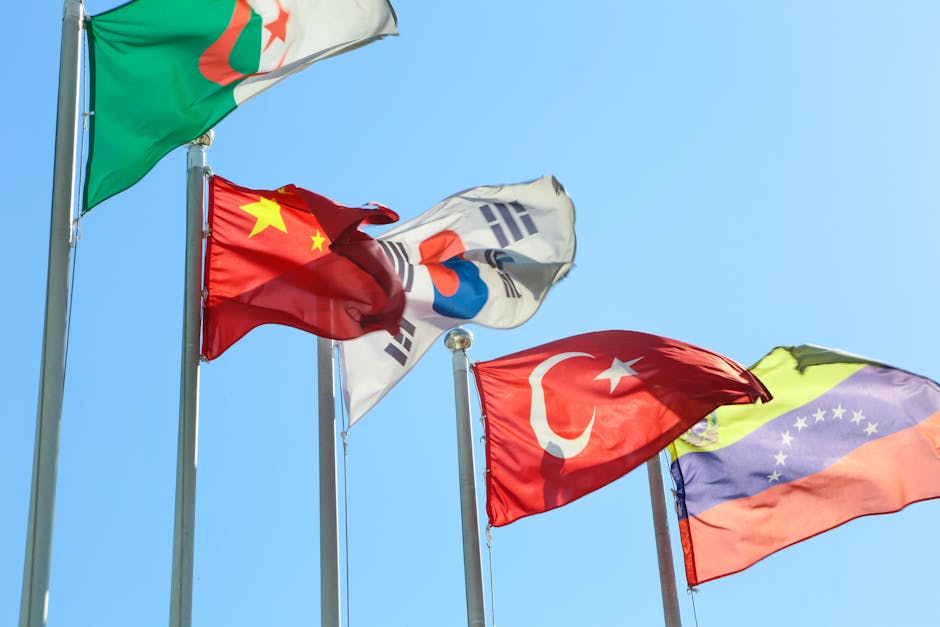
A coordinated decoupling effort by Chinese utilities signals a structural shift in how Beijing manages supply chain dependencies, with mirror consequences for European firms seeking market access...
Chinese utility companies are systematically removing European technology from their critical infrastructure, citing security grounds, while Chinese suppliers simultaneously seek to expand their footprint across European networks, according to an analysis by Janka Oertel published October 17, 2026, by the European Council on Foreign Relations (ECFR).
The removal effort targets components and systems embedded in power grids, telecommunications networks, and other state-managed infrastructure. The ECFR report describes Chinese utilities as acting on official security directives that treat foreign-sourced technology as a liability, regardless of the vendor's country of origin or the length of the existing commercial relationship.
The pattern represents a concrete operational step in China's broader push toward technological self-sufficiency. Beijing has articulated goals of reducing dependence on foreign components in sensitive sectors through its Made in China 2025 industrial policy and subsequent five-year plans, which prioritize domestic sourcing in energy, communications, and transportation infrastructure.
The asymmetry documented in the ECFR analysis is notable. While Chinese state utilities are pulling European hardware and software out of their systems, Chinese technology suppliers are actively seeking contracts to install their equipment inside European critical infrastructure. The report does not quantify the total value of contracts or equipment involved, and those figures would require disclosure by both Chinese utilities and their European counterparts to be independently verified.
European governments have spent several years debating the security implications of Chinese-made equipment in their own networks. The most prominent policy arena has been telecommunications, where the European Union issued a toolbox in January 2020 recommending that member states assess and, where necessary, restrict high-risk vendors from 5G networks. Multiple EU members subsequently moved to limit or exclude equipment from suppliers including Huawei, according to European Commission records.
The dynamic described in the ECFR report adds a reciprocal dimension to that debate. If European firms are losing embedded positions inside Chinese infrastructure at the same time that Chinese firms are competing for embedded positions inside European infrastructure, the resulting asymmetry would affect the negotiating leverage of both sides in future technology and trade discussions.
For European manufacturers and technology firms, the removal of their equipment from Chinese state utility systems represents a potential loss of recurring service, maintenance, and upgrade revenue, in addition to the initial contract value. The specific companies affected are not named in the available summary of the ECFR report, and identifying them would require company-level financial disclosures or regulatory filings.
The security framing used by Chinese authorities to justify the removals mirrors language that European and American officials have applied when restricting Chinese vendors. Both sides have invoked national security as the operative rationale, though the technical standards or threat assessments underlying those determinations have not been made fully public in either jurisdiction.
This development connects to a broader pattern of technology-sector scrutiny. Congressional attention to Chinese manufacturing dependencies has grown in recent sessions, including examinations of supply chain exposure in consumer electronics, as covered previously in Apple's China Manufacturing Ties Draw Renewed Congressional Scrutiny.
The ECFR, which produced the underlying analysis, is a London and Berlin-based think tank that receives funding from European government and private foundation sources. Its research on China policy has been cited by European Commission officials in prior policy discussions, though the organization's recommendations carry no binding authority over EU member state decisions.
What remains unknown is the timeline over which Chinese utilities intend to complete the removal process, which European technology categories are prioritized for replacement, and whether any bilateral diplomatic communication has taken place between the EU and China regarding the removals. Answers to those questions would require official statements from the Chinese National Energy Administration, the relevant utility operators, or European government trade representatives.