Trump Campaigns for Sen. Sullivan in Alaska as Democrats Target Senate Seat
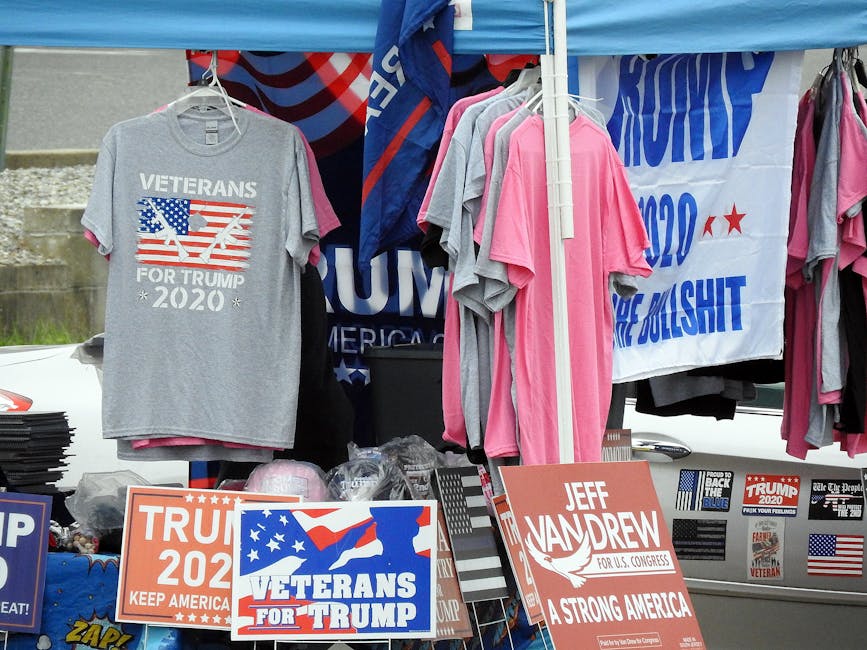
A presidential rally in a traditionally safe Republican state signals that both parties are treating Alaska's 2026 Senate race as competitive, a judgment that will be tested by turnout data and...
President Donald Trump traveled to Wasilla, Alaska, on Tuesday, October 13, 2026, to hold a campaign rally in support of Sen. Dan Sullivan (R-AK), the first stop on a three-state western campaign swing that the White House has also scheduled to include Arizona and Montana, according to reporting by the Washington Examiner.
Trump's appearance in Alaska marks an unusual allocation of presidential campaign resources. Alaska has voted Republican in every presidential election since 1968, with the exception of 1964. A sitting president stumping for a Senate incumbent in a state with that electoral history reflects Democratic targeting activity that strategists in both parties have acknowledged publicly.
Democrats have identified Alaska as one of the seats they are contesting in their effort to reclaim the Senate majority in the 2026 midterm elections, according to the Washington Examiner report. Democrats currently need a net gain of at least four seats to reach the 51-seat threshold required for a majority, based on the Senate's current partisan composition of 53 Republicans and 47 senators caucusing with Democrats following the 2024 elections.
Sullivan, first elected in 2014 and re-elected in 2020, is seeking his third term. His 2020 race was called in December of that year after absentee ballots were counted, a reflection of Alaska's geographic and logistical voting patterns. Final vote totals and opponent fundraising figures for the 2026 cycle are on file with the Federal Election Commission, though third-quarter filings covering July through September 2026 were due October 15, 2026, one day after the rally, meaning full comparative fundraising data was not yet publicly available at the time of publication.
The rally was held in Wasilla, a city in the Matanuska-Susitna Borough north of Anchorage. Wasilla has historical significance in Republican Alaska politics as the hometown of former Gov. Sarah Palin. The venue selection was not explained in available public statements from the White House or the Sullivan campaign.
Trump described Sullivan during the event as "the real Dan Sullivan," a phrase the Washington Examiner noted in its headline but did not attribute to a fuller quotation with context. The complete remarks were not available in the source material reviewed for this article. A full transcript would be found in the official White House record of presidential remarks.
Arizona and Montana, the two remaining stops on Trump's western campaign tour, also feature contested Senate races. In Montana, Sen. Jon Tester (D-MT) lost his seat in 2024, leaving the state's remaining Senate seat, held by Republican Steve Daines, not on the 2026 ballot. The specific candidates Trump plans to support in Arizona and Montana were not named in the available source material. That information would be contained in White House travel schedules and official campaign announcements.
Presidential midterm rallies carry historical context. The party holding the White House has lost House seats in 36 of 40 midterm elections since the Civil War, according to congressional records compiled by the House historian's office. Senate outcomes in midterm years are more variable because only one-third of Senate seats appear on the ballot in any given cycle, and the specific map of seats up for election heavily influences which party holds a structural advantage.
In 2026, the Senate map is considered more favorable to Democrats than the 2024 map, which required Democratic incumbents to defend seats in states Trump carried by wide margins. The Cook Political Report, Sabato's Crystal Ball, and Inside Elections, nonpartisan race-rating services, had each assessed Alaska's Senate race as competitive as of their most recent published ratings, though specific rating categories for this race were not confirmed in the source material reviewed.
What remains unknown is the identity of the Democratic nominee challenging Sullivan, the current fundraising totals for both campaigns, and the internal polling each side is relying on to justify resource allocation in Alaska. Those figures will become partially visible when the FEC publishes third-quarter 2026 filings after October 15, 2026, and fully visible in post-election FEC disclosures. Presidential approval polling specific to Alaska, which would help quantify the asset or liability value of a Trump appearance, was not included in the available source material.