White House AI Meeting Produces Self-Regulation Pledge From Tech CEOs
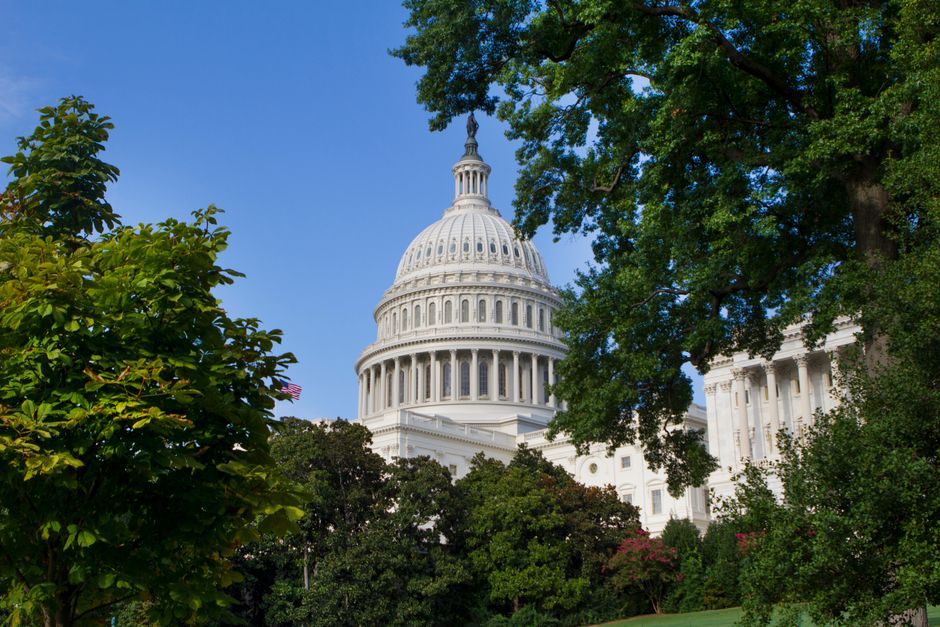
A voluntary, morally binding agreement among major US technology executives may set the near-term governance framework for AI risks, absent congressional legislation.
President Trump said on September 29, 2026, that leaders of major US technology companies agreed to a self-regulatory framework for artificial intelligence risks following a White House lunch, according to Folha de S.Paulo. The president described the agreement as morally binding.
The executives present at the White House meeting included Elon Musk, Dario Amodei of Anthropic, Jensen Huang of Nvidia, and Mark Zuckerberg of Meta, according to the same Folha de S.Paulo report. The gathering represented leadership from companies whose combined market capitalizations span trillions of dollars in US equity markets.
The specific terms of the agreement were not disclosed in available public records as of September 29, 2026. What would reveal the scope of any commitments would be a formal written document published by the White House or signed by the participating companies.
The phrase "morally binding" carries no legal enforcement mechanism under US law. A voluntary pledge differs from a statutory mandate, an executive order with regulatory force, or a Federal Trade Commission consent decree, each of which would carry defined penalties for non-compliance.
Sen. Rand Paul (R-KY) said in a September 29 Bloomberg interview that Congress is moving too quickly toward new AI mandates, calling proposed regulations "crazy" and arguing the sector likely requires a mix of industry self-regulation and user protections. Sen. Paul made no specific reference to the White House meeting in his Bloomberg remarks.
The senator's position reflects a broader tension in Washington over who should govern AI risk: Congress through legislation, the executive branch through agency rulemaking, or industry through voluntary commitments. That three-way division has produced no binding federal AI statute as of the date of this article.
Nvidia, whose semiconductors power the majority of large-scale AI model training in the United States, trades on the Nasdaq under the ticker NVDA. Meta Platforms trades on the Nasdaq under the ticker META. Anthropic, which makes the Claude AI system, remains privately held and does not file public earnings reports. No SEC filings disclosed in connection with this meeting were located as of publication.
The market implications of a self-regulatory framework versus statutory regulation are material for investors in US AI-adjacent equities. Statutory regulation can impose compliance costs, restrict product deployment, and create liability exposure. A voluntary framework carries none of those direct financial constraints, though it may still affect company reputations and future regulatory negotiations.
Congress has considered multiple AI-related bills in recent sessions, none of which had been enacted into law as of September 29, 2026, based on publicly available congressional records. The absence of a federal AI statute leaves enforcement authority fragmented across existing agencies including the FTC, the SEC for disclosure-related matters, and sector-specific regulators.
The White House has not published a formal summary of the September 29 meeting or its outcomes as of the time of this publication. The content of any signed document, if one exists, remains unknown. Publication of that document by the White House or any participating company would be the primary source needed to assess the agreement's specific commitments and their potential effect on US technology markets.
For context on ongoing AI governance disputes, see AI Safety Group Sues OpenAI Over Autonomous System Access to Hugging Face, which covers a parallel legal challenge to AI deployment practices.