Trump Administration Asks Supreme Court to Lift Block on Transgender Inmate Policy
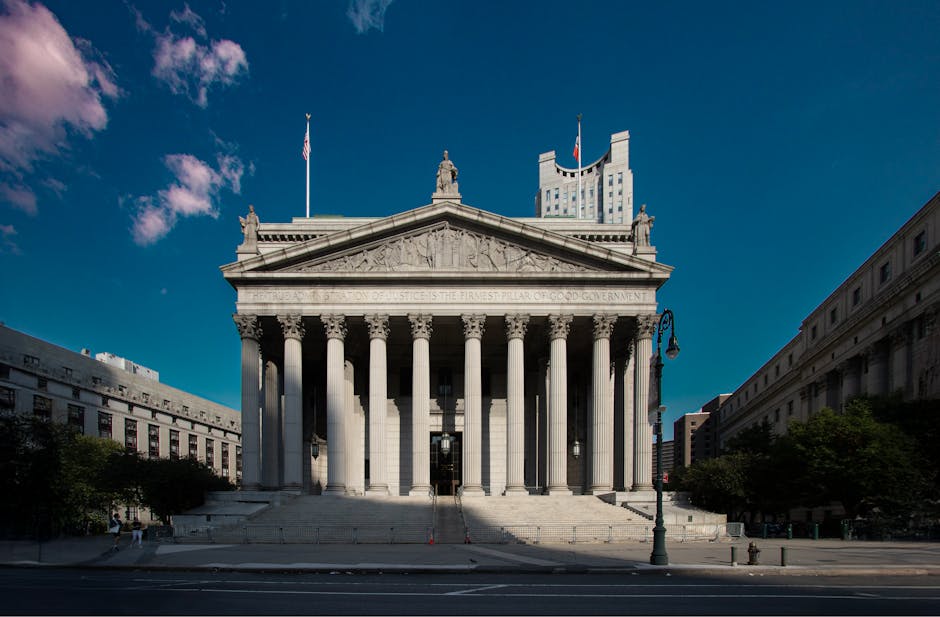
The administration's emergency application asks the justices to override two federal courts while the underlying constitutional questions remain unresolved, a posture that places the Supreme Court...
The Trump administration filed an application with the Supreme Court asking the justices to lift a lower-court block on a Bureau of Prisons policy that would restrict hormone treatments and gender-affirming surgeries for transgender federal inmates, according to The Hill.
The Bureau of Prisons policy at issue would place inmates who are currently receiving hormone treatments on a tapering plan, discontinuing the treatments over time rather than halting them immediately. The policy would also require officials to stop providing social accommodations, such as hair-removal devices, that the agency had previously made available to inmates seeking gender transition.
A federal district court judge blocked the policy before it took effect. The U.S. Court of Appeals for the D.C. Circuit upheld that block in a 2-1 decision, with the majority concluding that the plaintiffs had demonstrated a sufficient likelihood of success on the merits to warrant an injunction pending further litigation, according to The Hill's account of the appellate ruling.
The dissenting judge on the D.C. Circuit panel sided with the administration's position, creating a documented circuit-level split of opinion on whether the policy could proceed. That dissent is typically one factor the Supreme Court weighs when deciding whether to grant emergency relief.
The administration's application asks the Supreme Court to stay the injunction while the litigation proceeds, which would allow the Bureau of Prisons to implement the tapering plan and the removal of social accommodations before any final ruling on the merits. The Supreme Court can grant such a stay with five votes.
The Bureau of Prisons housed approximately 152,000 federal inmates as of data published by the agency in its most recent population report. The BOP has not published a figure for the number of inmates currently receiving hormone treatments, and that number is not available in any public record reviewed for this story. A BOP disclosure or a court filing in the underlying case would be the document most likely to contain that figure.
The legal challenge to the policy was brought by inmates and advocacy organizations arguing that discontinuing hormone treatments exposes affected individuals to medically documented risks, and that the policy violates the Eighth Amendment's prohibition on cruel and unusual punishment. The administration argues that the policy falls within the executive branch's lawful authority to manage federal correctional facilities and that the lower courts exceeded their role in blocking it.
The Supreme Court has addressed related questions in recent terms. In 2023, the Court agreed to hear a case concerning gender-affirming care bans for minors, and in 2024 it upheld Tennessee's law restricting such care for minors in a 6-3 decision authored by Justice Amy Coney Barrett. That ruling addressed state authority over medical care for non-incarcerated minors, a legally distinct context from Eighth Amendment claims by federal inmates, and the Court did not resolve the inmate question in that decision.
The administration's application is now pending before the full Court. The justices may act on the stay request without full briefing and argument, or they may call for a response from the opposing parties before ruling. The timeline for that decision is not fixed by rule and is at the Court's discretion.
What remains unknown is the exact number of Bureau of Prisons inmates whose treatment plans would be immediately affected if the stay is granted, as well as the precise cost figures the administration has cited internally to justify the policy change. Both figures would be contained in BOP administrative records or in the administrative record filed with the district court, neither of which has been made fully public as of this report's publication date.