Treasury Secretary Bessent Adds Jefferies Economist David Zervos as Counselor
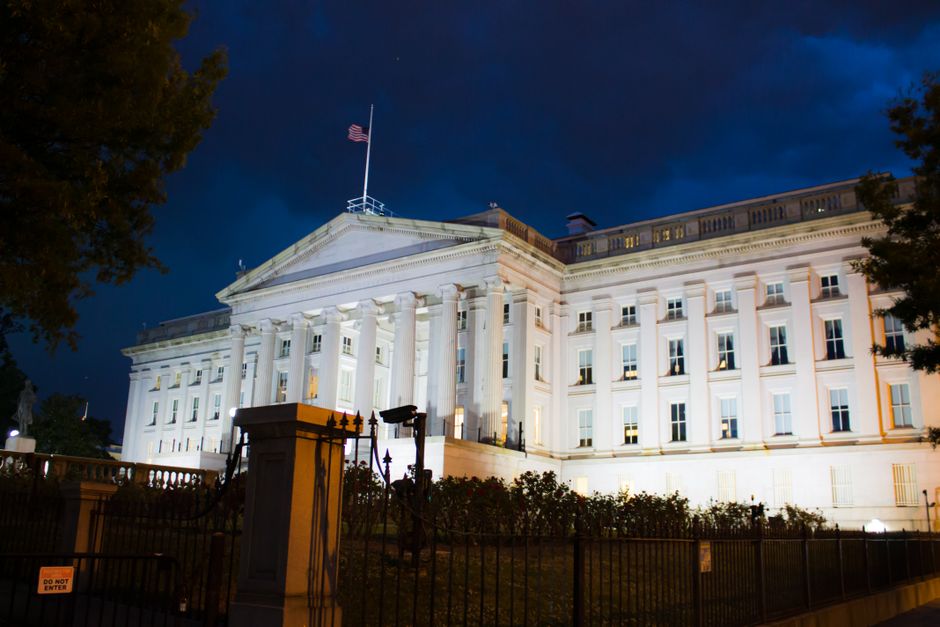
The appointment places a veteran fixed-income market strategist inside the Treasury at a moment when the 10-year yield remains a focal point of fiscal policy debate.
Treasury Secretary Scott Bessent has hired David Zervos, a Wall Street economist and longtime chief market strategist at Jefferies, to serve as counselor to the Treasury Department, according to a report by CNBC published September 28, 2026. The appointment adds a prominent markets voice to the administration's economic policy team.
Zervos spent more than a decade as the chief market strategist at Jefferies, the New York-based investment bank, where he was known for closely tracking Federal Reserve policy and US interest rate dynamics. His public commentary on Treasury yields and monetary conditions made him a widely cited figure among institutional fixed-income investors.
The counselor title at Treasury is a senior advisory role that does not require Senate confirmation. Counselors typically advise the Secretary directly on policy questions and may represent the department in discussions with market participants, financial regulators, and foreign finance ministries.
Bessent, himself a former macro hedge fund manager who founded Key Square Group, has assembled an economic policy team that draws heavily on financial markets backgrounds. His own career included a long tenure as chief investment officer at Soros Fund Management, according to publicly available firm records.
The hiring comes as US Treasury markets are under close scrutiny. The 10-year Treasury yield has remained elevated, with a range of fixed-income analysts arguing that real yields above five percent represent a structurally higher rate environment rather than a temporary spike. The mechanism driving that view centers on persistent federal deficits, continued Treasury issuance, and Federal Reserve balance sheet normalization.
According to the US Treasury's Office of Debt Management, the federal government issued approximately $23 trillion in gross Treasury securities in fiscal year 2025, a figure that reflects both new borrowing and the rollover of maturing debt. The volume of issuance has contributed to ongoing conversations about whether the market can absorb supply without requiring higher yields to attract buyers.
The Federal Reserve's most recent Summary of Economic Projections, released at the September 2026 Federal Open Market Committee meeting, indicated that policymakers expect the federal funds rate to remain above four percent through the end of 2026. That projection shapes the short end of the yield curve and indirectly affects the term premium embedded in longer-dated Treasuries.
Zervos's appointment is notable because his public analytical work has frequently addressed the relationship between Fed policy, Treasury supply, and long-term yield levels. Whether his advisory role will directly influence Treasury's issuance strategy or its communications with the Fed is not stated in the CNBC report. What would reveal the practical scope of his responsibilities is a formal Treasury Department announcement or an official organizational chart update, neither of which had been published as of the date of this article.
Sen. Elizabeth Warren separately sent letters on September 28, 2026, to the chief executives of Meta, Google, Amazon, and Microsoft raising questions about AI and data center tax subsidies authorized by recent Republican legislation, according to a report by CNBC. That inquiry does not directly involve the Treasury Department, but it adds to a broader congressional focus on the fiscal cost of technology-sector incentives at a time when deficit projections are already elevated.
The Congressional Budget Office has not yet released a score of the specific AI subsidy provisions cited in Warren's letters, and the exact dollar value of those provisions was not specified in the CNBC report. What would clarify the fiscal impact is a formal CBO cost estimate or a response from the four companies detailing how they intend to use the authorized subsidies.
For US bond investors, the Zervos appointment is most significant as a signal about how Bessent intends to staff his advisory circle. Bringing in a strategist with deep experience analyzing Treasury markets from the buy side suggests the Secretary may seek counsel that is grounded in how institutional investors actually price sovereign risk, rather than exclusively in academic macroeconomic modeling.