Trump Issues $810 Million Pocket Rescission, Second in 50 Years
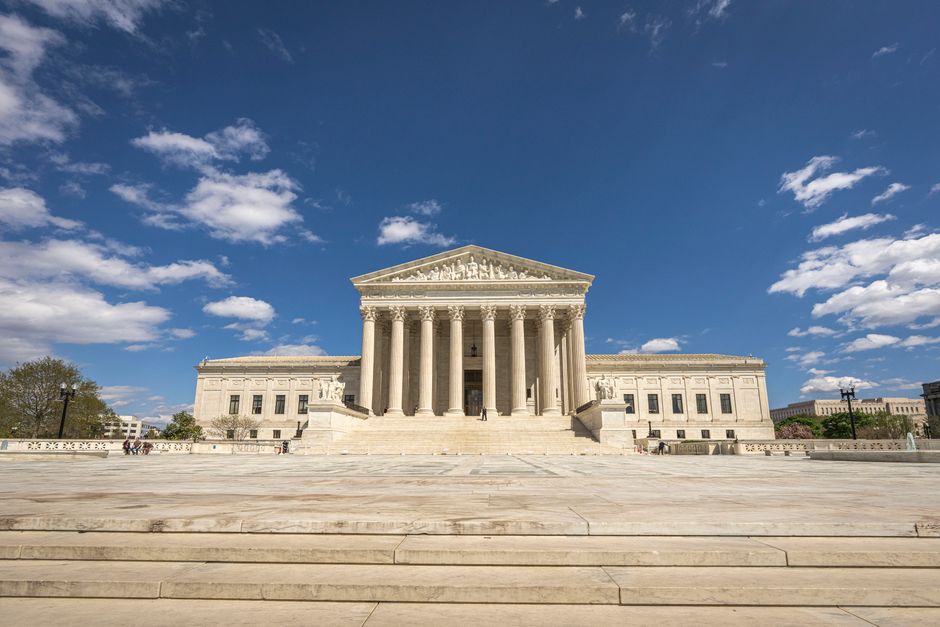
The use of pocket rescission twice within a single presidential term raises unresolved constitutional questions about the boundary between executive spending authority and congressional...
President Donald Trump canceled $810 million in unspent federal funding on Friday, September 26, 2026, using a legal mechanism called pocket rescission, according to reporting by the Washington Examiner and The Hill. The action marks the second pocket rescission issued in 50 years, with both instances occurring during Trump's second term.
The canceled funding covered several categories of federal spending. According to the Washington Examiner, the rescission targets immigration and refugee programs, foreign debt-relief programs, grants to minority-owned businesses, and research and education programs. The Hill reported that Health and Human Services programs serving undocumented immigrants and unaccompanied children, HHS Minority Health office programs, and Department of Education Special Programs for Migrant Students were among the specific line items eliminated.
Pocket rescission is a mechanism derived from the Impoundment Control Act of 1974, which generally requires the president to spend funds appropriated by Congress. Under that law, a president may propose rescinding appropriated funds, but Congress must approve the cancellation within 45 days. If Congress does not act within that window and the fiscal year ends, the funds must be released. A pocket rescission occurs when a president times a rescission request so that the 45-day review period expires at the same time as the end of the fiscal year, effectively canceling the funds without an affirmative congressional vote.
The Government Accountability Office and legal scholars have disputed the legality of pocket rescission in the past, arguing it functionally allows the executive branch to override congressional appropriations decisions without a formal vote. The Congressional Research Service has noted in prior analyses that the practice sits in contested legal territory under the separation of powers framework established by Article I of the Constitution, which assigns the power of the purse to Congress.
The Friday rescission is the second such action Trump has taken in his current term. The first occurred earlier in the term and was also described by the Washington Examiner as unprecedented in the modern era, with no other president having used the mechanism in the 50 years since the Impoundment Control Act was enacted.
The White House, according to the Washington Examiner, framed the cancellations as eliminating spending it characterized as misaligned with administration priorities, including diversity, equity, and inclusion programs and services for noncitizens. The exact White House statement was not reproduced in full in the available source material.
Programs serving unaccompanied migrant children are administered under HHS Office of Refugee Resettlement authority. Federal courts have in separate proceedings addressed the administration's authority over those programs. The specific contracts or grants canceled within the $810 million total have not been identified by name in the source material reviewed for this report. The full list of canceled obligations would be available through USASpending.gov or a formal rescission message transmitted to Congress under 2 U.S.C. Section 683.
Congressional Democrats have previously objected to Trump's use of impoundment-adjacent mechanisms during his second term. No congressional vote on this specific rescission has been recorded in publicly available congressional records as of the publication of this article. Whether Congress will attempt to force release of the funds, or whether affected agencies or grant recipients will seek judicial review, is unknown.
The fiscal year 2026 end date is September 30, 2026, four days from the date of this action. That timing is directly relevant to the pocket rescission mechanism, because the 45-day review window and the fiscal year deadline must coincide for the mechanism to function as intended. Whether the 45-day clock had already been running prior to Friday's announcement, or whether this rescission was submitted on Friday with the fiscal year deadline serving as the expiration point, is not specified in the source material. The formal rescission message transmitted to Congress, required under the Impoundment Control Act, would answer that question.
What remains unknown is the complete itemized list of canceled grants and contracts, the identities of specific grantees affected, and whether any recipient organization has filed or intends to file a legal challenge. A Freedom of Information Act request to HHS and the Department of Education, or a review of the formal rescission message filed with Congress, would provide those details.