Trump Says He Is Weighing Military Action to End Iran War
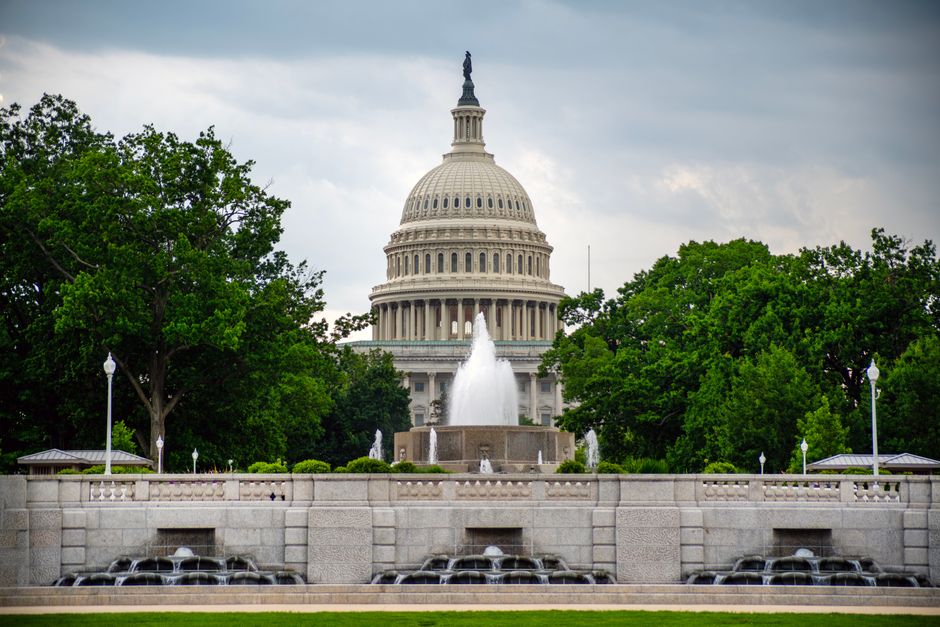
The president's public comments introduce a variable that markets, Congress, and foreign governments must now factor into near-term planning, though no formal authorization request has been...
President Donald Trump said Thursday that he is actively deliberating whether to order military action aimed at ending the ongoing conflict with Iran, including options he described as potentially decisive. "I have a big decision coming up. Do I want to go in and annihilate them or do I not?" Trump told Axios in an interview published September 17, 2026. "It's a big decision. Anything could happen with me."
The remarks represent the most direct public statement from the president on the question of escalation since the current conflict with Iran began. Trump did not specify a timeline for the decision, name a particular military option under consideration, or identify which advisers are involved in the deliberations.
Under the War Powers Resolution of 1973 (50 U.S.C. 1541-1548), the president is required to notify Congress within 48 hours of introducing U.S. Armed forces into hostilities and must obtain congressional authorization within 60 days for continued engagement. As of September 17, 2026, no new War Powers notification or Authorization for Use of Military Force request related to a renewed or expanded Iran operation has been filed in the congressional record, according to publicly available congressional records.
The Trump administration has previously conducted military operations against Iran during the current conflict. The precise scope, legal basis, and congressional notifications for those earlier operations are contained in War Powers reports submitted to Congress, which are public documents maintained by the Senate Foreign Relations Committee and the House Foreign Affairs Committee.
Congress retains the constitutional authority to declare war under Article I, Section 8, and the power of the purse over military appropriations. Any large-scale military expansion would require either existing statutory authorization or new legislation. The relevant committees with jurisdiction are the Senate Armed Services Committee, the House Armed Services Committee, the Senate Foreign Relations Committee, and the House Foreign Affairs Committee.
The fiscal implications of expanded military action are governed by the current defense appropriations framework. The most recent defense appropriations bill, the figures of which are contained in public USASpending.gov records, sets the baseline for any supplemental spending request the administration would need to submit to Congress for a major new operation.
Republican and Democratic responses to the president's comments had not been formally entered into the congressional record as of the publication of this article. No floor statements, committee hearings, or formal legislative responses had been scheduled or announced in response to Thursday's remarks, according to the House and Senate legislative calendars as of September 17, 2026.
The Iran conflict has also intersected with domestic legislative activity. Democrats, who are campaigning to retake the House in the November 2026 elections, have not yet released a formal foreign policy platform. A working group led by Reps. Alexandria Ocasio-Cortez (D-NY) and Terri Sewell (D-AL) submitted healthcare priorities to House Minority Leader Hakeem Jeffries (D-NY) this week, as reported by the Washington Examiner, but no comparable foreign policy document has been made public.
Market analysts have flagged that uncertainty over U.S. Military posture in the Middle East carries implications for oil prices, defense contractor equities, and broader risk sentiment. The specific market effects of Thursday's presidential statement are not yet captured in any public federal economic report or congressional budget analysis.
What remains unknown is whether the administration has submitted any classified or unclassified planning documents to the relevant congressional committees, whether a formal legal review under the War Powers Resolution has been initiated by the Office of Legal Counsel, and what the precise military options under consideration are. The documents that would answer those questions include any new War Powers notifications filed with the Speaker of the House and Senate President Pro Tempore, any supplemental appropriations requests submitted to the House and Senate Appropriations Committees, and any classified briefings provided to the Gang of Eight.