Speaker Johnson Sends House Home Early, Bypassing Pre-Election Votes
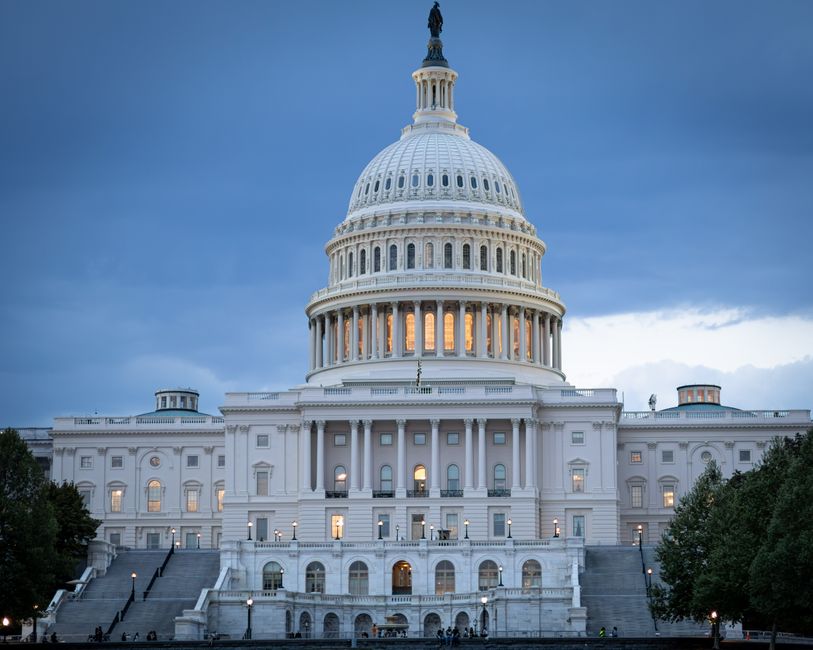
The move delays action on contested legislative items until after the November midterms, limiting the public voting record available to voters before election day.
House Speaker Mike Johnson adjourned the House one day ahead of its scheduled recess, bypassing votes on several contested measures before lawmakers return to their districts ahead of the November 2026 midterm elections, according to a report by CBS News correspondent Nikole Killion published September 17, 2026.
The early adjournment means that any legislation that had been positioned for a floor vote during that final day will not receive a recorded roll-call vote before Americans go to the polls. The House legislative calendar, maintained by the Office of the Majority Leader at majorityleader.gov, is a public record that would show which bills had been scheduled and subsequently removed from consideration.
Johnson, a Republican from Louisiana's 4th congressional district, has served as Speaker since October 2023. His control of the chamber has depended on a narrow majority. As of September 2026, Republicans held a slim margin in the House, making scheduling decisions on contested votes sensitive to potential defections.
The decision to adjourn early is within the Speaker's procedural authority under House rules. Under Rule I of the Rules of the House of Representatives, the Speaker has broad control over the chamber's schedule, including the authority to declare recesses and adjourn the body. No separate vote of the full chamber is required for the Speaker to send members home.
The practical effect is that members of both parties avoid creating a voting record on whatever measures were pending. Votes that do not occur produce no roll-call entry in the Congressional Record, which is the official archive of House and Senate floor activity published by the Government Publishing Office.
Washington Examiner executive editor Bob Cusack, speaking on CNN's Laura Coates Live on September 16, 2026, described the broader Republican political environment heading into November as a potential "bloodbath" for the party, and said Republican members have generally avoided public disagreement with President Donald Trump. The early recess may reduce opportunities for intraparty friction to surface on the House floor before election day.
Early recesses before midterm elections are not historically unusual. Congressional Research Service analyses of legislative calendars show that election-year recesses frequently begin ahead of schedule as both parties prioritize campaign activity. What varies cycle to cycle is which specific votes are deferred and whether leadership offers a public explanation for the scheduling change.
In this case, the CBS News report did not specify which bills were bypassed. That information is not yet part of the public record. The House Majority Leader's office schedules bills for floor consideration, and any bills that were listed on a weekly schedule but not brought to a vote would appear in a comparison of the published schedule against the Congressional Record for the relevant dates.
The move affects both parties' members equally in terms of the absence of a voting record. Democratic members who might have sought a recorded vote on a particular measure also lose that opportunity when the chamber adjourns. However, the scheduling authority rests solely with the majority, meaning the decision to adjourn belonged to Republican leadership.
Opposition from within the Republican conference has been a recurring dynamic in the current Congress. As previously reported by The Congressional Times, Trump Rallies for Senate Candidate Whatley in North Carolina Amid Midterm Push as part of a broader GOP effort to consolidate support ahead of November.
What remains unknown is the specific list of bills that were scheduled and not voted on during the canceled legislative day. The House Majority Leader's floor schedule, posted at majorityleader.gov, combined with the Congressional Record for the week of September 14-17, 2026, would provide a complete accounting of any measures that were deferred. Neither document was publicly cross-referenced in the CBS News report. The Congressional Times will update this story when that comparison is available.