Trump Calls for 1 Percent Fed Rate Hours After Warsh Raises Benchmark
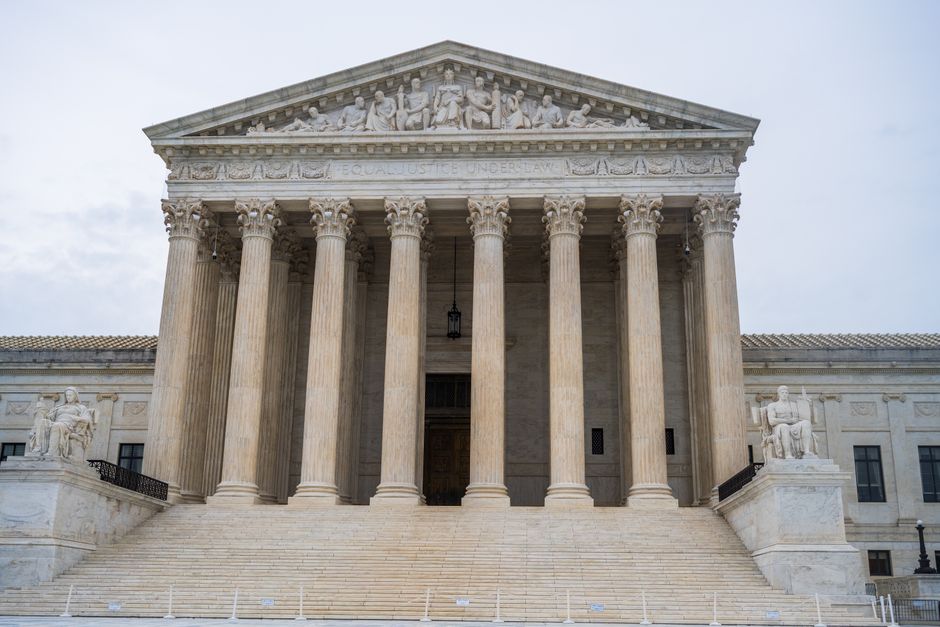
The public disagreement between a president and his own Federal Reserve chair over interest rate direction creates measurable uncertainty for bond markets and rate-sensitive borrowers.
President Donald Trump publicly called for the Federal Reserve to cut its benchmark interest rate to 1 percent or below on Wednesday, September 16, 2026, hours after Fed Chair Kevin Warsh, whom Trump nominated to lead the central bank, raised rates for the first time in several years. The sequence of events, documented in Trump's own Truth Social post and reported by the New York Post, places the president and his appointed central bank chief in direct public disagreement on the same day over the direction of U.S. Monetary policy.
Trump wrote on Truth Social: "Interest Rates in the United States should be 1%, or less, because we are the Best Credit in the World, BY FAR. Our Country is BOOMING with new Investment!" The post was published the same day Warsh's Fed executed the rate increase, according to the New York Post's September 16, 2026 report. The specific basis point increment of the rate increase had not been confirmed in the source material available at publication time. The Federal Reserve's official statement, which would carry that figure, is the document that would resolve that question.
Warsh was nominated by Trump to chair the Federal Reserve. His Senate confirmation record would show the vote count and date of that confirmation, though those details are not included in the source material reviewed for this story. The Fed chair serves a four-year term and, under the Federal Reserve Act, cannot be removed by the president solely for policy disagreements, a legal boundary the Supreme Court addressed in its 2021 ruling in Collins v. Yellen regarding the structure of independent agencies.
The current federal funds rate target range before Warsh's Wednesday action is not specified in the available source material. The Federal Open Market Committee's meeting statement, published on the Federal Reserve's official website following each rate decision, is the primary public record that would confirm both the prior rate and the new rate following Wednesday's vote.
Trump's preference for a 1 percent or sub-1 percent rate is significantly below the rate ranges the Fed maintained through most of the post-pandemic tightening cycle. The Fed last held rates near zero between March 2020 and March 2022, according to Federal Reserve historical data. Warsh, an economist and former Fed governor who served on the Board from 2006 to 2011, has historically taken positions favoring monetary discipline, a record that is publicly documented in his Federal Reserve Board statements from that period.
Trump also wrote in the same Truth Social post: "If we stopped Trading with every country that we have a Deficit with, which is most of them, we would make, at least, 1.5 Trill," according to the New York Post report. This statement ties the rate argument to the administration's broader trade posture, though the $1.5 trillion figure's sourcing within the administration is not identified in the available material. The Office of the U.S. Trade Representative publishes annual trade deficit data by country, and that is the public record that would allow independent verification of the claim.
Presidential pressure on the Federal Reserve is not a new dynamic. Trump publicly criticized then-Fed Chair Jerome Powell repeatedly between 2018 and 2020, calling in social media posts and public statements for rate cuts and negative rates. Those statements are part of the public record. Legal scholars and Fed officials have consistently stated that the president holds no statutory authority to direct Fed rate decisions, a position grounded in the Federal Reserve Act of 1913 and subsequent amendments.
The practical effect of a rate increase by Warsh, if sustained, would be to raise borrowing costs on adjustable-rate mortgages, auto loans, business credit lines, and U.S. Treasury instruments at new auction. The Congressional Budget Office publishes projections of how rate changes affect federal debt service costs, and an updated projection reflecting Wednesday's decision would be the appropriate document to quantify the fiscal impact.
What remains unknown is the precise rate increment Warsh's Fed approved on Wednesday, the vote breakdown among FOMC members, and whether any formal White House communication was sent to the Fed before or after the decision. The FOMC meeting minutes, published three weeks after each meeting under Fed policy, would answer the vote breakdown question. A White House communications log or press briefing transcript would address whether formal contact was made.