DHS Whistleblower Alleges Employees Made False Statements to Access State Voter Databases
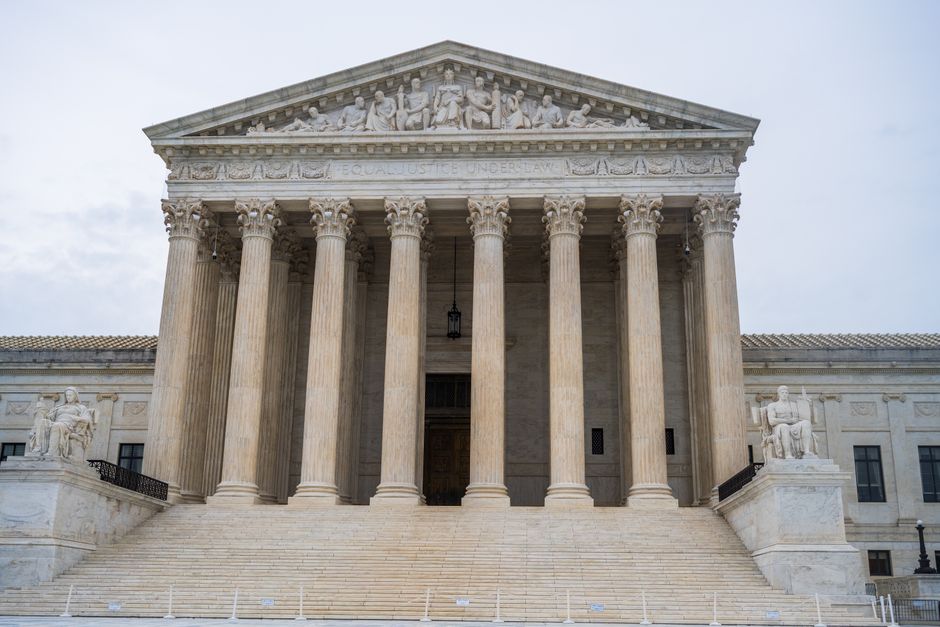
If the allegations are substantiated, the case would test whether federal agencies can direct employees to misrepresent their purpose when requesting access to state-controlled election...
A whistleblower report released September 14, 2026, alleges that Department of Homeland Security employees were instructed to make false statements in order to gain access to state voter databases, according to reporting by Axios. The report was published by Sen. Chuck Schumer (D-N.Y.) and Sen. Alex Padilla (D-Calif.), both members of the Senate Democratic minority.
The core allegation is that DHS workers were directed to access state voter registration systems in a manner the whistleblower contends violates state law. The specific states involved, the number of employees implicated, and the precise nature of the alleged misrepresentations are not detailed in the publicly available summary. The full whistleblower report, which would contain those specifics, has not been independently released in a form accessible for direct review as of publication time.
Voter registration databases are maintained at the state level under the framework established by the National Voter Registration Act of 1993 (52 U.S.C. 20501 et seq.). States set their own access protocols, and federal requests to access those systems are typically governed by data-sharing agreements negotiated between state election officials and federal agencies. Whether DHS held valid data-sharing agreements with the states in question is not confirmed in the available source material.
The Trump administration has stated publicly that its efforts to identify purported voter fraud include increased scrutiny of voter rolls. The White House and DHS had not issued a public response to the whistleblower allegations as of the time this story was filed. A DHS spokesperson response, if one exists, is not included in the source material available to this publication.
Sen. Padilla, who serves as the ranking member of the Senate Rules Committee, which has jurisdiction over federal election law, has been a consistent critic of the administration's voter roll review efforts. Sen. Schumer holds the position of Senate Minority Leader. Neither senator holds subpoena power in the current Congress, meaning their ability to compel testimony or document production is limited to referrals and public disclosure.
Whistleblower disclosures of this type are typically filed under the Whistleblower Protection Act (5 U.S.C. 2302) or, for intelligence community personnel, the Intelligence Community Whistleblower Protection Act. The legal channel through which this specific disclosure was made has not been confirmed in available reporting. That determination matters because it governs what protections the individual holds and what investigative authority applies.
If state law was violated in the course of accessing voter databases, enforcement authority would rest primarily with state attorneys general in the affected states. Federal criminal exposure, if any, could arise under 18 U.S.C. 1001, which prohibits making false statements to government entities, or under the Computer Fraud and Abuse Act (18 U.S.C. 1030), depending on how the access was obtained. No charges have been filed as of this report.
Congress has previously examined federal access to state election infrastructure in the context of the 2017 decision by the Obama-era DHS to designate election systems as critical infrastructure. That designation gave DHS a standing basis for engagement with state election officials, though it did not grant access rights. Whether that designation was cited in the alleged access attempts is unknown.
The Senate Judiciary Committee and the Senate Homeland Security and Governmental Affairs Committee both have oversight jurisdiction over DHS conduct. Neither committee chair, both of whom are Republicans, had issued a public statement on the whistleblower report as of publication time.
What remains unknown includes: the identity and employment classification of the whistleblower, the specific states whose databases were accessed, the number of DHS employees involved, the dates of the alleged access attempts, whether any data was copied or retained, and whether the Justice Department's Public Integrity Section has been notified. A formal referral to the DHS Office of Inspector General, which has independent investigative authority, would be the document most likely to answer the factual questions that remain open.