EPA to Rescind Carbon Emission Limits on U.S. Power Plants
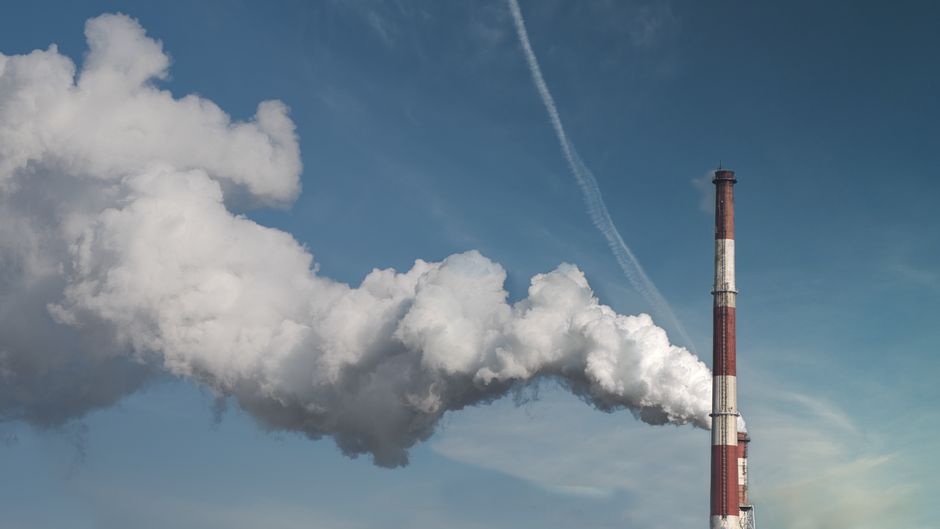
The rollback targets rules covering the second-largest domestic source of carbon dioxide, setting up a regulatory and legal conflict that will shape energy and climate policy through the next...
The U.S. Environmental Protection Agency has announced it will rescind federal limits on carbon dioxide and other greenhouse gas emissions from power plants, according to reporting by The New York Times published September 13, 2026. The agency confirmed that electricity generation is the second-largest source of carbon pollution in the United States, a characterization consistent with EPA inventory data published at epa.gov.
The power plant rules being erased were finalized under the Biden administration in April 2024. Those regulations, published in the Federal Register (Vol. 89, No. 91), required existing coal plants and new natural gas plants to capture or eliminate a substantial share of their carbon emissions, primarily through carbon capture and storage technology. The rules applied to hundreds of generating units operated by utilities across the country.
The EPA action follows a pattern of regulatory rollbacks at the agency under the current administration. Earlier actions included withdrawal of vehicle tailpipe emission standards and suspension of methane reporting requirements for oil and gas facilities, each published in the Federal Register with associated docket numbers available at regulations.gov.
The legal basis for the new EPA position has not yet been published in full. The agency is expected to issue a formal proposed rule through the notice-and-comment process required under the Administrative Procedure Act, 5 U.S.C. Section 553. The text of that proposal, once filed, will be available at regulations.gov under the EPA docket system. The final content of the agency's legal rationale is not yet public as of September 14, 2026.
The move is likely to trigger litigation. Environmental groups including Earthjustice and the Sierra Club have previously sued over rollbacks of EPA power sector rules. Legal standing, procedural compliance with the APA, and the scope of EPA authority under the Clean Air Act Section 111(d) are the central questions any such litigation would address. Court filings, if and when initiated, would appear on PACER, the federal judiciary's public access system.
Congressional response has divided along familiar partisan lines. Democrats on the Senate Environment and Public Works Committee have issued statements opposing the rollback, citing public health and climate commitments under the Paris Agreement, which the United States rejoined in 2021 and whose status under current administration policy has not been formally renounced. Republicans on the same committee have argued the original Biden-era rules imposed costs on ratepayers and relied on technology, specifically commercial-scale carbon capture, that is not yet widely deployed.
The utility industry's reaction has been mixed. The Edison Electric Institute, a trade group representing investor-owned utilities, has lobbied in favor of regulatory certainty but has not taken a unified public position on full rescission versus modification. EEI's lobbying disclosures for 2026 are filed with the Senate Office of Public Records and are searchable at lda.senate.gov.
State governments are positioned to act independently regardless of federal rollback. California, New York, and a coalition of states operating under the Regional Greenhouse Gas Initiative have their own carbon pricing and emission rules for power generators. Those state frameworks operate under Clean Air Act Section 116, which preserves state authority to set standards equal to or more stringent than federal requirements. A federal rescission does not automatically preempt those state programs.
The economic effect on wholesale electricity markets is not yet quantifiable. The Federal Energy Regulatory Commission, which oversees interstate electricity markets, has not issued guidance on how the rescission would affect existing utility compliance schedules or capital investment plans. FERC dockets related to power sector planning are publicly available at ferc.gov.
For context, the Supreme Court's 2022 decision in West Virginia v. EPA, 597 U.S. 697, constrained EPA's authority to mandate broad shifts in electricity generation mix. The Biden administration's 2024 rules were written to work within those constraints by focusing on individual plant-level controls rather than system-wide generation shifting. Whether the current EPA's rescission acknowledges that design distinction is unknown pending release of the full proposed rule text.
What remains unknown includes the precise legal theory the EPA will use to justify rescission, the timeline for the formal rulemaking, and whether any modified rule with lower emissions thresholds will be proposed as a replacement. The Federal Register notice, once published, will contain that information. The docket number assigned to the rescission proceeding, which will unlock all agency documents on the matter, has not yet been made public as of this report.