Trump Calls for Lower Interest Rates as Fed Chair Warsh Faces Rate-Hike Pressure
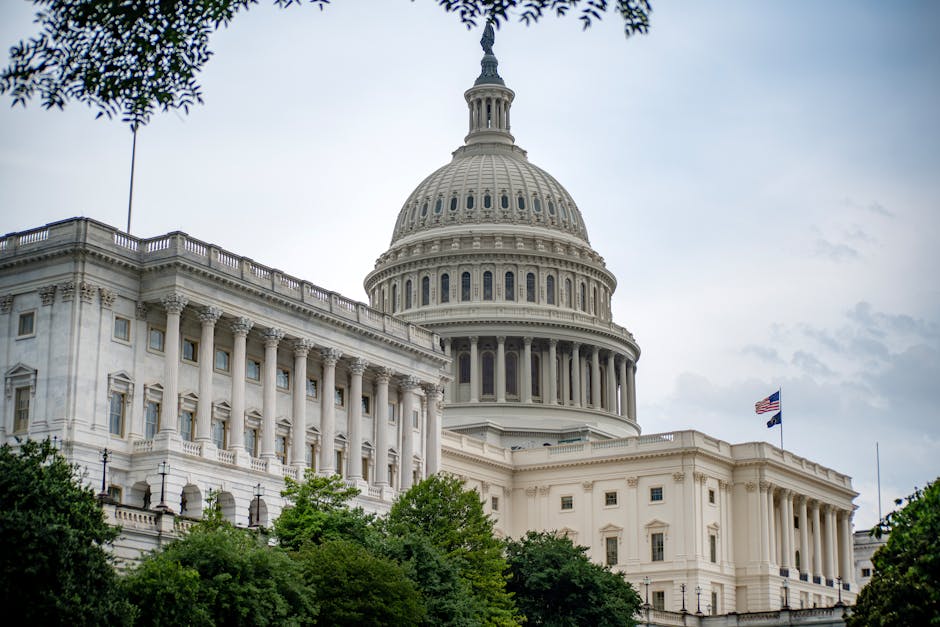
The public conflict between White House rate preferences and Federal Reserve policy signals a test of central bank independence that markets and lawmakers are watching closely.
President Donald Trump publicly called for the United States to maintain the lowest interest rates in the world on September 13, 2026, even as Kevin Warsh, the Fed chair Trump selected for the position, faces renewed pressure from economists and bond markets to raise borrowing costs, according to Bloomberg.
Trump's statement is not new in direction but is notable in timing. It arrives as the Federal Open Market Committee prepares for its next scheduled policy meeting, at which Warsh and other Fed governors will vote on the federal funds rate target. The FOMC meeting schedule is published by the Federal Reserve Board of Governors at federalreserve.gov.
Warsh was nominated by Trump and confirmed by the Senate to lead the Federal Reserve. His confirmation record is available in the Congressional Record. Warsh previously served as a Federal Reserve governor from 2006 to 2011, a period that included the 2008 financial crisis and the Fed's emergency rate reductions during that period.
The pressure Warsh now faces to raise rates reflects ongoing concerns among some economists about inflation. The Bureau of Labor Statistics publishes monthly Consumer Price Index data, which serves as the primary public benchmark for inflation measurement. The most recent CPI release would indicate whether current inflation levels are above or below the Fed's stated 2 percent target.
Trump's preference for low rates is consistent with statements he made during his first term. Between 2018 and 2019, Trump repeatedly criticized then-Fed Chair Jerome Powell through public posts and media appearances for raising rates. Those statements are documented in contemporaneous news reports and White House press pool records.
The Federal Reserve Act, codified at 12 U.S.C. Section 225a, establishes the Fed's dual mandate: maximum employment and stable prices. The law does not require the Fed chair to align policy with White House preferences. Presidential statements about Fed policy carry no legal authority over rate decisions.
Congress holds oversight authority over the Federal Reserve through the Senate Banking Committee and the House Financial Services Committee. Both committees conduct semi-annual Humphrey-Hawkins hearings at which the Fed chair testifies on monetary policy. The next scheduled testimony date, if set, would be listed on the respective committee calendars at banking.senate.gov and financialservices.house.gov.
The bond market context matters for understanding the rate pressure Warsh faces. When bond yields rise, it typically reflects investor expectations of higher inflation or tighter monetary policy ahead. Current 10-year Treasury yields are published in real time by the U.S. Department of the Treasury at treasurydirect.gov and by the Federal Reserve at federalreserve.gov/releases/h15.
Historically, public presidential pressure on the Fed has not consistently produced the rate outcomes presidents sought. During Trump's first term, the Fed raised rates in 2018 despite his objections, then cut them in 2019 in response to economic data. Those rate decisions are documented in FOMC meeting minutes, which the Fed publishes with a three-week lag.
What remains unknown is whether Warsh has communicated privately with the White House about rate policy, and whether any such communication has influenced internal Fed deliberations. Communications between the Fed chair and the executive branch are not routinely made public. A Freedom of Information Act request to the Federal Reserve Board could seek relevant records, though the Fed's FOIA exemptions for deliberative materials may limit disclosure. The next FOMC statement, once released, will be the primary public signal of where the board's rate consensus currently stands.