Coinbase Partners With Moov to Add Stablecoin Tools for Community Banks
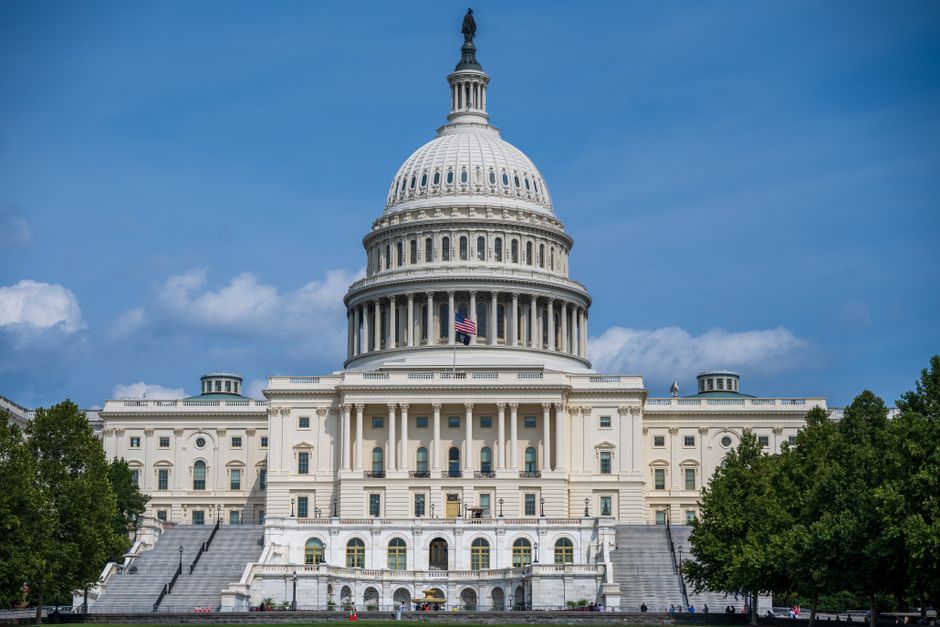
The deal positions Coinbase to expand its financial infrastructure business ahead of a Senate vote on the GENIUS Act's successor, the Clarity Act, which would establish the first federal framework...
Coinbase Global Inc. Announced a partnership with payments infrastructure company Moov Financial on September 10, 2026, to provide community banks with the technical capability to issue and manage stablecoins, according to reporting by CNBC. The announcement comes one week before the U.S. Senate is scheduled to hold a preliminary vote on the Clarity Act, a bill that would create a federal regulatory framework governing digital asset issuance.
The Clarity Act, if passed, would be the first comprehensive federal statute to define the rules under which banks and nonbank entities can issue dollar-denominated stablecoins. A preliminary Senate vote is expected the week of September 15, 2026, according to CNBC. The bill's outcome would directly determine whether community banks that adopt Coinbase and Moov's tools would be operating under a legally defined federal framework or continuing under the current patchwork of state-level and guidance-based rules.
Coinbase (COIN) is listed on the Nasdaq. The company reported total revenue of approximately $2.0 billion for the second quarter of 2026 in its most recent earnings release, with subscription and services revenue accounting for a growing share of that total. The company has publicly stated a strategic goal of expanding beyond retail trading into financial infrastructure, and the Moov partnership is consistent with that stated direction.
Moov Financial is a payments infrastructure provider that offers application programming interfaces allowing banks and fintech companies to move, store, and issue money programmatically. Community banks, which the Federal Deposit Insurance Corporation defines as institutions with less than $10 billion in total assets, have generally lacked the internal engineering resources to build stablecoin capabilities independently. The Coinbase-Moov partnership is structured to supply those capabilities as a service, according to CNBC.
The timing relative to the Clarity Act vote is operationally significant. If the bill passes and is signed into law, federally chartered banks would gain explicit legal authority to issue stablecoins, creating a new product category for community banks. If the bill fails or is amended substantially, the legal basis for bank-issued stablecoins would remain ambiguous under existing statutes, including the National Bank Act and applicable Office of the Comptroller of the Currency guidance.
The OCC issued an interpretive letter in January 2021, under Letter 1174, allowing national banks to use stablecoin networks for payment activities, but that guidance did not grant explicit issuance authority. A subsequent rescission and reissuance cycle under different administrations has left the legal landscape unsettled for banks seeking to enter the market. The Clarity Act is intended to resolve that ambiguity by statute, according to Senate Banking Committee statements published on the committee's official website.
Community banks represent a large segment of U.S. Banking by institution count. The FDIC's 2025 Community Banking Study identified approximately 4,600 community banking organizations operating across the United States as of year-end 2024. Those institutions collectively held roughly $2.9 trillion in assets, according to the same FDIC study. Whether a meaningful portion of those institutions would adopt stablecoin issuance tools depends in part on regulatory clarity, customer demand, and the economics of the Coinbase-Moov product, none of which are fully determinable before the Clarity Act vote.
Coinbase has a stated commercial interest in the Clarity Act's passage. The company has disclosed lobbying expenditures related to digital asset legislation in its quarterly SEC filings. The specific dollar amount allocated to Clarity Act advocacy in 2026 is not yet reflected in publicly available filings as of the date of this report.
The stablecoin market has grown substantially in recent years. Total stablecoin market capitalization across all major networks stood at approximately $170 billion as of early September 2026, according to data published by CoinGecko, with USD Coin (USDC), a stablecoin for which Coinbase is a primary distribution partner through Centre Consortium, holding a market share of roughly 25 percent of that total.
What remains unknown is whether the Senate has the votes to advance the Clarity Act past its preliminary procedural threshold next week. The Senate schedule and current vote counts are tracked by the Senate Majority Whip's office, and no public whip count has been released as of September 10, 2026. The outcome of that vote would materially affect the regulatory environment in which the Coinbase-Moov partnership operates.