AfD Wins Saxony-Anhalt State Election in Germany, Data Shows Wide Margins
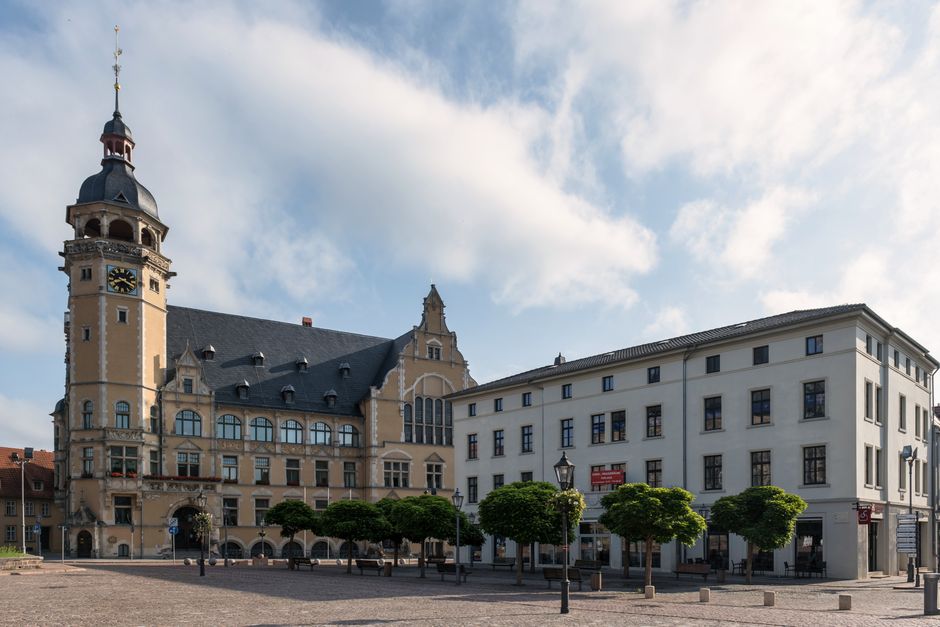
The result marks the first time a far-right party has won outright in a German state since World War II, testing coalition-formation rules that other parties have maintained against governing with...
The Alternative for Germany (AfD) won the state parliament election in Saxony-Anhalt, Germany, securing what analysts described as a historically wide margin of victory, according to Remix News reporting published September 8, 2026.
Saxony-Anhalt, a state in eastern Germany with a population of approximately 2.1 million, has been among the AfD's strongest regions in successive federal and state elections. In the 2021 Saxony-Anhalt state election, the AfD received approximately 20.8 percent of the vote, finishing second behind the Christian Democratic Union (CDU), according to Germany's Federal Returning Officer records. The current result represents a substantial increase from that baseline.
The Remix News analysis, citing specific precinct-level data points, reported that the AfD's performance extended beyond its established strongholds in rural eastern Saxony-Anhalt and into suburban and smaller urban areas, a geographic spread that had not been recorded in prior state-level contests for the party.
The AfD was founded in 2013 as a euroskeptic party and shifted toward immigration restriction and nationalist positions after 2015. Germany's domestic intelligence agency, the Verfassungsschutz, classified the AfD's national organization as a confirmed extremist group in May 2021, a designation upheld by a German administrative court in 2022, according to court records published by the Oberverwaltungsgericht Munster.
A central political consequence of the result is what German political scientists call the "firewall" (Brandmauer), the informal agreement maintained by the CDU, the Social Democrats (SPD), the Greens, and other mainstream parties not to form governing coalitions with the AfD. That position has held at the federal level and in all state governments to date, according to reporting by Deutsche Welle. A Saxony-Anhalt AfD victory large enough to require AfD participation to form any majority would place direct pressure on that consensus.
The specific seat counts from the election were not fully detailed in the available Remix News summary, and a complete breakdown of coalition arithmetic would require the official final results published by the Saxony-Anhalt state returning officer. The state parliament, the Landtag, has 97 seats. A majority requires 49 seats.
Saxony-Anhalt has historically recorded higher unemployment and lower per capita income than western German states, according to German Federal Statistical Office (Destatis) data. Research published by the German Institute for Economic Research (DIW Berlin) has linked economic displacement in eastern German states with above-average support for the AfD, though the relationship is not exclusive to economic factors.
At the federal level, the AfD entered the Bundestag in 2017 and has been the largest opposition party in the current parliament. Its leader, Alice Weidel, led the party into the 2025 federal election, in which the AfD finished second nationally behind the CDU/CSU bloc, according to the Federal Returning Officer's official results. The CDU subsequently formed a government without AfD participation.
The Saxony-Anhalt result adds to a pattern of AfD gains in state-level elections in the eastern German states of Thuringia and Brandenburg, where the party also posted first-place finishes in September 2024 state elections, as reported by Reuters at the time. In Thuringia, the AfD won 32.8 percent, and in Brandenburg it received 29.2 percent, according to those official state results.
What the Saxony-Anhalt margin means for AfD support heading into future federal election cycles is not yet determinable from a single state result. Polling methodology, turnout variation, and state-specific factors all affect how directly state results translate to federal projections. Official commentary from the federal CDU and SPD on coalition policy had not been published at the time this report was prepared.