Congress Has Not Acted on COVID EIDL Loan Relief for Small Businesses
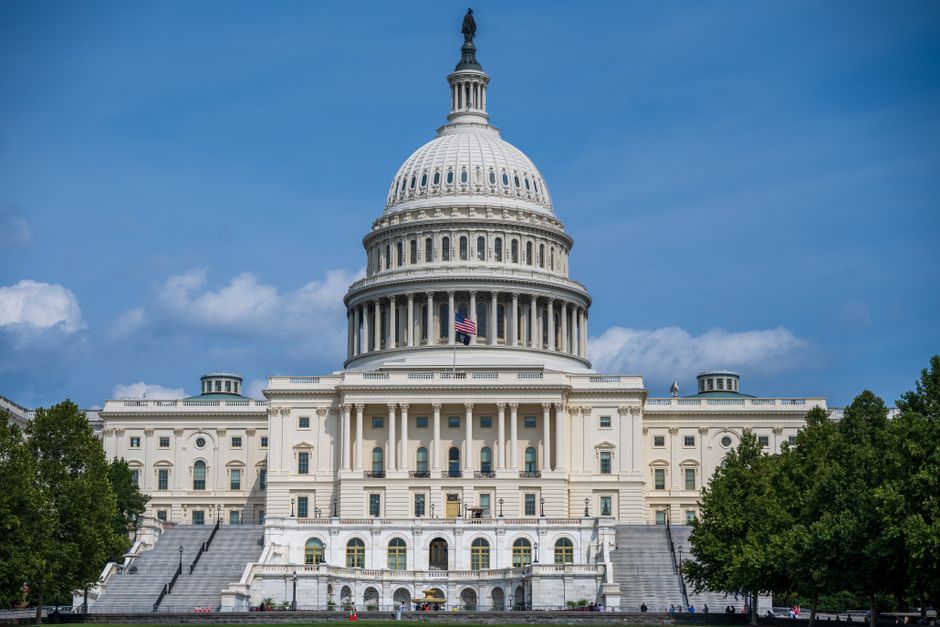
Six years after government-mandated closures drove small businesses into federal debt, no legislative vehicle for EIDL hardship relief has cleared either chamber, leaving borrowers without a...
Small business owners who borrowed from the federal government's Economic Injury Disaster Loan program during the COVID-19 pandemic are now facing repayment demands from the Small Business Administration, even when those businesses never returned to pre-pandemic revenue levels, according to a Washington Examiner opinion piece published September 7, 2026, written by a borrower directly affected by the program.
The EIDL program was authorized under the Small Business Act and expanded by the CARES Act (Public Law 116-136), signed March 27, 2020. Congress appropriated $349 billion in the initial CARES Act package for small business relief across EIDL and Paycheck Protection Program instruments. EIDL loans, unlike PPP loans, were not structured with automatic forgiveness provisions. Borrowers received funds as traditional debt instruments carrying interest rates of 3.75 percent for small businesses and 2.75 percent for nonprofits, with terms up to 30 years, according to SBA program documentation.
The total outstanding balance of COVID EIDL loans across the program portfolio is not fully consolidated in a single public disclosure as of this writing. USASpending.gov tracks individual loan obligations, but aggregate repayment delinquency data for the COVID EIDL portfolio is maintained by the SBA Office of Capital Access. The precise number of borrowers currently in default or facing collections has not been published in a single accessible federal report as of the date of this article.
The mechanism driving current repayment pressure is the SBA's return to standard collections posture following a series of pandemic-era deferment periods. The SBA extended COVID EIDL payment deferments multiple times between 2020 and 2022. The final deferment period ended, and principal and interest payments became due, on a schedule that varied by loan origination date. Borrowers who did not resume payments became eligible for referral to the Department of the Treasury for offset under the Debt Collection Improvement Act of 1996.
No standalone EIDL forgiveness or hardship relief bill has been enacted into law as of September 7, 2026. Several proposals circulated in previous Congresses. In the 118th Congress, lawmakers in both chambers introduced legislation aimed at EIDL relief for smaller borrowers, though none advanced to a floor vote in either the House or Senate, based on records available through Congress.gov. The 119th Congress has not produced a committee-approved bill on this subject as of the publication date of this article.
The policy tension at the center of this issue is a factual one. Government closure orders, issued at federal, state, and local levels beginning in March 2020, reduced or eliminated revenue for businesses that subsequently borrowed under EIDL to cover operating expenses. Federal closure guidance was issued by the Centers for Disease Control and Prevention and the Department of Homeland Security's Cybersecurity and Infrastructure Security Agency, which published Essential Critical Infrastructure guidance that defined which businesses could remain open. Businesses outside those categories faced mandatory or strongly advised closures.
Proponents of loan relief argue that this sequence of events distinguishes COVID EIDL debt from ordinary commercial lending, because the proximate cause of borrower financial distress was a government action rather than a private business decision. Opponents of forgiveness, including some fiscal policy analysts and members of Congress, argue that loan forgiveness would set a precedent for debt relief tied to any government policy that affects business revenue, and that the federal deficit implications of forgiving a large loan portfolio are material. The exact cost of full or partial forgiveness is not determinable from public records without knowing the current outstanding balance and delinquency rate of the EIDL portfolio.
The SBA's collections activity falls within the agency's standard statutory authority and does not require new congressional approval. A legislative change would be required to create a forgiveness program, modify interest terms, or establish a hardship deferment structure with legal force. Any such bill would need to pass both the House Small Business Committee and the Senate Small Business and Entrepreneurship Committee before reaching a floor vote, based on standard committee jurisdiction rules codified in House Rule X and Senate precedent.
Small businesses are not a monolithic political constituency. Business owner advocacy groups that have lobbied on EIDL relief include the National Federation of Independent Business and various state-level chambers of commerce. Lobbying disclosure records filed with the Senate Office of Public Records under the Lobbying Disclosure Act would show which organizations have engaged Congress on this specific issue and what amounts were spent, though a comprehensive review of those filings is beyond the scope of this article.
What remains unknown as of September 7, 2026: the total dollar value of outstanding COVID EIDL loans currently in repayment, the number of borrowers referred to Treasury for collections, and whether any committee in the 119th Congress has scheduled a markup on EIDL hardship legislation. The SBA's quarterly portfolio performance reports and Treasury's offset program data, both obtainable via FOIA request or agency publication, would answer the first two questions. Congress.gov would confirm the third.