Democratic Governors Weigh 2028 Timing After DeSantis Campaign Lessons
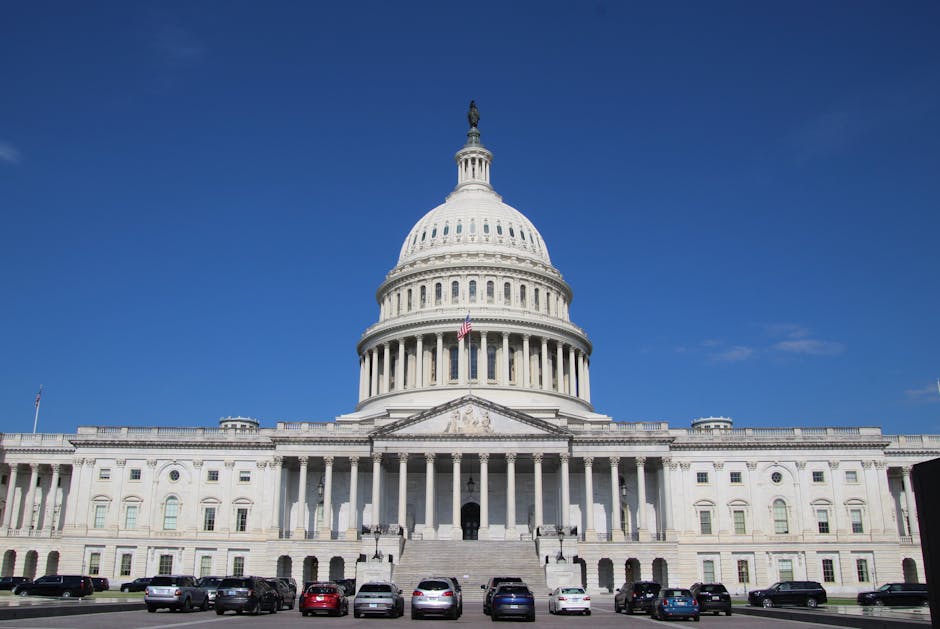
The compressed post-midterm window between November 2026 and the 2028 primary calendar may force Democratic governors to make earlier entry decisions than previous cycles required.
Advisers to Florida Gov. Ron DeSantis's failed 2024 Republican presidential campaign are warning Democratic governors currently eyeing a 2028 White House run that delay after November's midterm elections could prove costly, according to reporting by Axios published September 6, 2026.
The governors named in the reporting as potential 2028 candidates are Josh Shapiro of Pennsylvania, Wes Moore of Maryland, JB Pritzker of Illinois, and Andy Beshear of Kentucky. All four are Democrats currently serving as state executives.
The central strategic question, as framed by former DeSantis campaign aides, is timing. DeSantis won reelection as Florida governor in November 2022 by a wide margin and delayed a formal presidential campaign announcement until May 2023. Critics within his own operation later said that window allowed Donald Trump to consolidate institutional support, endorsements, and donor commitments that proved difficult to displace.
The 2028 Democratic primary calendar has not yet been formally set by the Democratic National Committee. The DNC's Rules and Bylaws Committee, which governs primary scheduling, would be the public record that defines the operative deadlines any prospective candidate would face. That document does not yet exist in final form.
Shapiro was elected governor of Pennsylvania in November 2022, winning by approximately 14.8 percentage points over Republican Doug Mastriano, according to certified Pennsylvania election results. Moore was elected governor of Maryland in November 2022, defeating Republican Dan Cox by approximately 32 percentage points, according to certified Maryland election results. Pritzker was reelected governor of Illinois in November 2022. Beshear was reelected governor of Kentucky in November 2023.
The strategic parallel to DeSantis is structural: each of these governors will face a choice following November 2026 midterms about whether to remain focused on state executive duties or begin building a national campaign apparatus. In the DeSantis case, the period between his 2022 reelection and his formal campaign launch in May 2023 was roughly six months. Whether a similar or shorter window would benefit or disadvantage a Democratic entrant in 2028 depends on factors including the incumbent political landscape, opponent field, and fundraising environment, none of which are fully established at this date.
Fundraising capacity is a measurable variable. Federal Election Commission records show individual candidate committee filings once a candidate formally declares for federal office. No FEC filings have been made by Shapiro, Moore, Pritzker, or Beshear for a 2028 presidential campaign as of the date of this report. Any exploratory or principal campaign committee filing would become public in FEC records upon submission.
The midterm elections referenced in the Axios report are scheduled for November 3, 2026. None of the four named governors are on the 2026 ballot in their own states in gubernatorial races, though their states will hold other federal and legislative contests. The degree to which midterm outcomes shape the Democratic Party's ideological positioning heading into 2028 is not determinable in advance.
The Republican side of the 2028 race involves its own structural constraints. President Donald Trump, reelected in 2024, is constitutionally ineligible for a third term under the Twenty-Second Amendment. That creates an open Republican primary field as well, the shape of which is also not yet defined by any formal filings.
The RNC has named Trump and Vice President Vance as keynote speakers at its first midterm convention, a scheduling decision that reflects ongoing party infrastructure activity ahead of the 2026 cycle.
What remains unknown is whether any of the four named governors will form an exploratory committee, when such a filing might occur, and what the formal 2028 Democratic primary calendar will require in terms of qualifying deadlines. The FEC's candidate registration database and the DNC's Rules and Bylaws Committee records would be the authoritative public sources for both questions once filings are made.