Two Senate Races in Michigan and Texas Draw National Attention Two Months Before Midterms
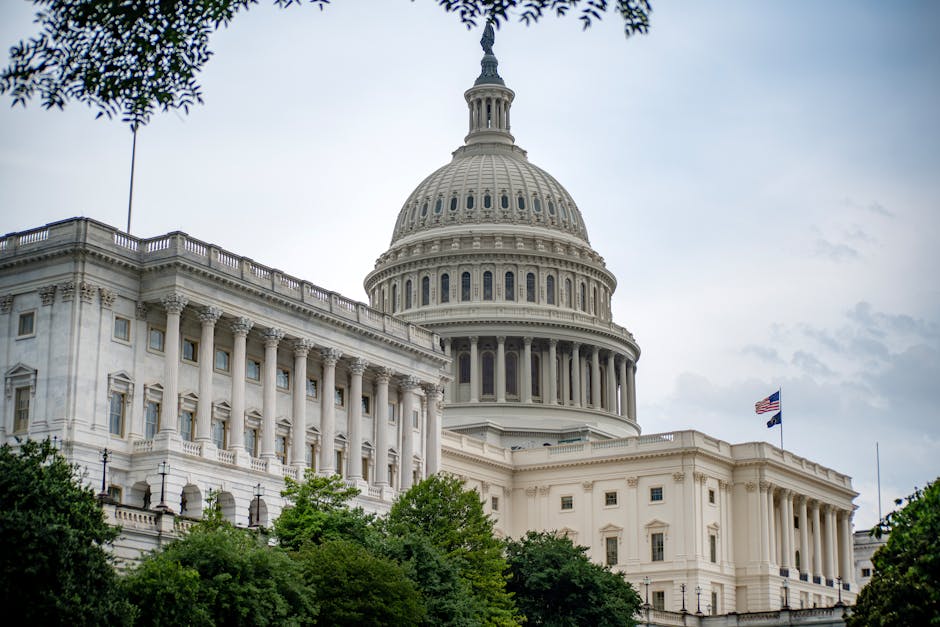
With control of the Senate potentially in play, the Michigan and Texas contests represent contrasting partisan environments that will test both parties' ground-game and fundraising operations...
Two U.S. Senate contests, one in Michigan and one in Texas, have emerged as closely watched races as the November 2026 midterm elections approach, according to CBS News coverage published September 5, 2026.
In Michigan, Democrat Abdul El-Sayed faces Republican Mike Rogers. El-Sayed, a physician and former candidate for Michigan governor in 2018, is making his second bid for major statewide office. Rogers, a former U.S. House member who represented Michigan's 8th Congressional District from 2001 to 2015, previously ran for U.S. Senate in Michigan's 2024 Republican primary before withdrawing from that race, according to congressional records.
In Texas, Democrat James Talarico faces Republican Ken Paxton. Talarico has served in the Texas state legislature representing parts of the Austin area. Paxton, the incumbent Texas Attorney General, survived a Senate impeachment trial in the Texas legislature in September 2023, according to official Texas Senate records, and has remained a prominent figure in Republican politics at both the state and national level.
The Texas race places Talarico in the position of challenging a statewide Republican officeholder in a state that has not elected a Democrat to U.S. Senate since 1988, when Lloyd Bentsen won re-election, according to historical election records maintained by the Texas Secretary of State.
Michigan presents a different structural environment. The seat is currently held by a Democrat, and the state has swung between parties in recent federal cycles. Donald Trump carried Michigan in 2016, Joe Biden carried it in 2020, and Trump carried it again in 2024, according to certified state election results from the Michigan Bureau of Elections.
Candidate fundraising totals for both races through the most recent Federal Election Commission filing period would reveal the financial position of each campaign. FEC quarterly filings are the public record that would show cash on hand, burn rate, and donor geography for all four candidates. As of publication, the September 2026 quarterly period has not yet closed.
External spending by party committees and independent expenditure groups is also a factor that will shape both races. The National Republican Senatorial Committee and the Democratic Senatorial Campaign Committee each file independent expenditure reports with the FEC, which are publicly searchable at fec.gov. The amounts committed to Michigan and Texas by either committee through the end of August 2026 are not confirmed in the source material available at publication time.
Polling averages for both races, including sample sizes, methodologies, and field dates, would provide the most direct measure of competitive standing. No specific poll numbers are cited in the available source material, and the precise margin in either contest is therefore unknown at the time of publication.
The broader Senate map context matters for assessing why these races receive national attention. Which party controls the Senate after November 2026 depends on net seat changes across all competitive states. The current partisan breakdown of the Senate and the number of seats each party is defending in 2026 are on record with the Senate Office of the Secretary.
What remains unknown includes each campaign's current cash on hand, the volume of outside spending already committed to each state, and verified public polling averages with disclosed methodologies. FEC filings through September 30, 2026, due in mid-October, will provide the most complete financial picture available before Election Day. Certified election night results will be the definitive record of outcomes.
For context on election integrity monitoring activity in other states this cycle, see TCT's earlier report on Nevada Secretary of State Confirms Seven DOJ Subpoenas Over Voter Records.