Lawsuit Seeks Release of Approved CDFI Fund Appropriations
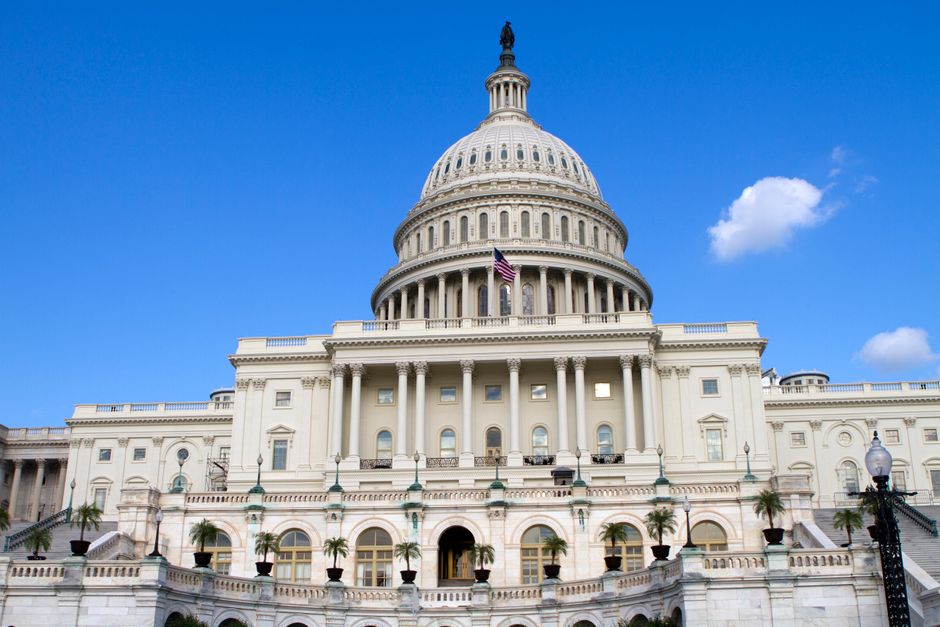
The case tests whether the executive branch can withhold funds that Congress has already designated by statute, a question with implications for how appropriated dollars flow to small business...
Two leaders of small business support organizations filed a federal lawsuit against the Trump administration on or before September 3, 2026, seeking a court order compelling the release of hundreds of millions of dollars in congressional appropriations designated for the Community Development Financial Institutions Fund, according to an opinion piece published by The Hill.
The CDFI Fund is a Treasury Department program established under the Riegle Community Development and Regulatory Improvement Act of 1994. Congress created the fund to certify and provide financial assistance to community development financial institutions, which are specialized lenders serving low-income communities, small businesses, and underserved borrowers that typically lack access to conventional bank credit.
The plaintiffs argue that the funds in question were appropriated by Congress and are therefore legally required to be disbursed. Their lawsuit asserts that the administration has withheld the money without statutory authority to do so. The specific dollar amount cited in the lawsuit is described as hundreds of millions of dollars, though the precise figure and the fiscal year or years of the appropriations at issue were not detailed in the available source material. The full complaint, which would disclose the exact amounts and appropriations acts cited, has not been reviewed by The Congressional Times.
The legal mechanism at the center of the case involves the Impoundment Control Act of 1974, which generally prohibits the executive branch from refusing to spend funds that Congress has appropriated unless it follows a specific rescission or deferral process outlined in that statute. Whether the administration has initiated any such formal process in connection with the CDFI Fund appropriations is not confirmed in the available source material. Treasury Department records and any Office of Management and Budget apportionment documents would clarify that question.
The CDFI Fund administered approximately $324 million in awards in fiscal year 2023, according to Treasury Department annual reports. Congress has continued to appropriate funds for the program in subsequent fiscal years. The specific appropriations cycle involved in this dispute is not identified in the available source material. The relevant appropriations acts and Treasury Department disbursement records would establish which fiscal year dollars are at issue.
CDFIs themselves are a diverse group that includes banks, credit unions, loan funds, and venture capital funds. As of the most recent Treasury certification data, more than 1,400 organizations hold CDFI certification nationwide. These institutions collectively serve markets that traditional lenders have historically underserved, including rural communities, minority-owned businesses, and startup enterprises with limited collateral. A delay or freeze in CDFI Fund awards would affect the operational capacity of certified institutions waiting on those dollars to deploy capital.
The lawsuit is one of several legal challenges filed by nonprofit and advocacy organizations since early 2025 contesting the administration's handling of congressionally directed spending. Courts have issued mixed rulings in similar cases involving other program areas. The specific court in which this CDFI case was filed, and the judge assigned to it, are not identified in the available source material. The federal court docket would contain the full record of filings, including the complaint, any government response, and any emergency motions.
Republican and Democratic members of Congress have both sought CDFI Fund awards for organizations in their districts in prior fiscal years, based on Treasury Fund award lists that are public. Whether any members of either party have commented on the freeze or the lawsuit is not established in the available source material.
The Trump administration has not issued a public statement responding to the lawsuit, based on available source material as of September 3, 2026. Treasury Department spokespersons can be contacted for comment. A Treasury Office of Legislative Affairs response to Congress, if one exists, would also be a relevant public record.
What remains unknown includes the exact complaint number and court, the specific appropriations acts and dollar figures named in the suit, whether OMB has issued any formal deferral or rescission request to Congress regarding these funds, and whether Treasury has provided any internal legal justification for the hold. The court docket, OMB apportionment files, and Treasury disbursement records would answer those questions.