Bessent Holds Direct Talks With Russian Finance Minister at G20
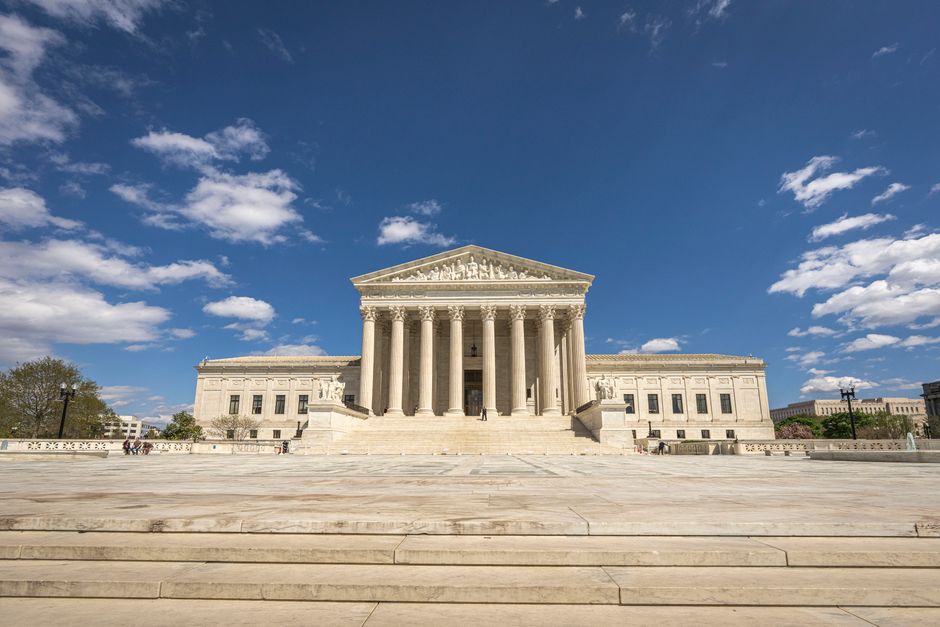
The meeting marks the first high-level U.S.-Russia financial engagement since Moscow's 2022 invasion of Ukraine, creating a visible policy gap between Washington and European allies.
Treasury Secretary Scott Bessent met directly with Russian Finance Minister Anton Siluanov on the sidelines of the G20 summit on Monday, August 31, 2026, according to Axios. The meeting represents the highest-level bilateral financial contact between the United States and Russia since Russia's February 2022 invasion of Ukraine.
Siluanov's in-person attendance at the G20 gathering was itself notable. According to Axios, it marked the first time the Russian finance minister had appeared in person at the summit of global economic policymakers since the invasion of Ukraine began. His presence drew attention from European delegations, which have maintained more restrictive postures toward Russian officials at multilateral forums.
The meeting occurred on the sidelines of the G20, a format used for bilateral conversations that are distinct from the formal summit agenda. Sideline meetings typically do not produce joint communiques or binding commitments, but they signal diplomatic channels that the participating governments consider open. The specific agenda items discussed between Bessent and Siluanov have not been confirmed in public records as of the publication of this article.
The Trump administration has pursued a series of diplomatic overtures toward Moscow since taking office in January 2025. Those efforts have included direct presidential communications and envoy-level contacts, though the precise terms and outcomes of those discussions remain partially undisclosed in public filings or readouts.
European Union member governments and the United Kingdom have consistently called for maintaining economic pressure on Russia through the sanctions architecture assembled between 2022 and 2025. The U.S. Treasury Department's Office of Foreign Assets Control (OFAC) administers the primary U.S. Sanctions framework against Russia. As of this writing, Treasury has not issued a public statement indicating any modification to existing OFAC designations related to Russia.
Siluanov himself is subject to European Union asset freezes and travel bans imposed after the invasion of Ukraine, according to EU Council implementing regulations published in 2022. The United States has not publicly listed Siluanov under OFAC's Specially Designated Nationals list, which would have made a meeting with a U.S. Official legally complicated under domestic law.
The G20 summit brings together finance ministers and central bank governors from the world's 20 largest economies. Russia has remained a G20 member throughout the Ukraine conflict, a status that has been contested diplomatically but not formally revoked, as the G20 has no standing expulsion mechanism.
Bessent was confirmed as Treasury Secretary by the Senate in a 68 to 29 vote on January 27, 2025, according to the Senate voting record. His portfolio includes sanctions policy, international financial diplomacy, and oversight of the International Monetary Fund and World Bank relationships held by the United States.
The European reaction to the Bessent-Siluanov meeting has not been formally documented in public diplomatic records as of August 31, 2026. Axios reported that Siluanov's appearance at the G20 exposed a sharp divide between the United States and its European counterparts, though specific European government statements responding to the bilateral meeting were not cited in the source reporting available at publication time.
Several questions remain unanswered by currently available public records. Treasury has not released a readout of the meeting's content, so the subjects discussed, any commitments made, and whether follow-on contacts were agreed to are unknown. A Treasury Department readout or State Department cable, if declassified or voluntarily released, would provide that information. It is also not publicly known whether the meeting was arranged in advance with European allies informed, or whether it was coordinated with ongoing Ukraine ceasefire diplomacy conducted by other U.S. Officials. Congressional oversight committees, including the Senate Banking Committee and the House Financial Services Committee, have not issued public statements requesting a briefing on the contact as of this writing.