Trump Says Towns Rejecting Data Centers Will Become 'Backwards and Poor'
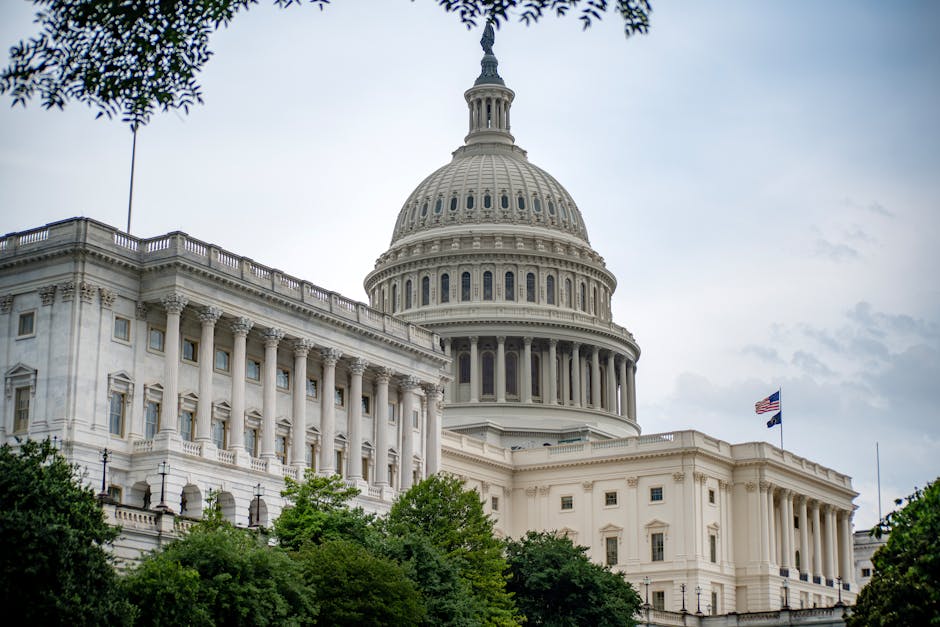
The president's public pressure campaign for data center expansion arrives as both parties have raised concerns about municipal costs, energy consumption, and local tax impacts tied to such projects.
President Donald Trump stated on August 31, 2026, that communities choosing to reject data center development would end up "backwards and poor," according to Politico. The statement represents the administration's most direct public warning to local governments resisting large-scale technology infrastructure projects.
Trump's remarks were made with the November 2026 midterm elections approaching, a timing that Politico noted in its reporting. The White House has not released a formal transcript of the full statement as of the publication of this article. The precise venue and format of the remarks, whether spoken at an event, issued in a written statement, or posted to social media, were not specified in the available source material. A full transcript, if one exists, would be found in White House press office records or official administration communications.
The data center industry has expanded rapidly across the United States over the past several years, driven by demand from cloud computing providers and artificial intelligence workloads. The federal government's role in that expansion has become a matter of active legislative and regulatory debate. No single federal statute currently compels municipalities to approve data center projects, meaning local zoning boards and county governments retain primary authority over siting decisions.
Bipartisan concern about data center projects has emerged at the state and local level over issues including electricity grid strain, water consumption for cooling systems, and property tax structures that some local officials argue do not generate sufficient revenue for host communities relative to the infrastructure demands placed on them. Politico described these concerns as "growing" and "bipartisan" in its August 31, 2026 report, though that report did not cite specific legislative language or named officeholders making such objections in the context of the Trump statement.
At the federal level, Congress has considered but not passed comprehensive data center siting or incentive legislation in recent sessions. The Senate Commerce Committee and the House Energy and Commerce Committee each held hearings on AI infrastructure policy in the 119th Congress, though the specific legislative vehicles and vote records from those proceedings were not cited in the available source material. Committee hearing transcripts and markup records would contain that detail.
The administration's position, as expressed by Trump's August 31 statement, aligns with a broader White House approach that has framed AI and data infrastructure investment as essential to national economic competitiveness. That framing has been reflected in executive orders and agency guidance issued since January 2025, though the specific order numbers and Federal Register citations were not included in the source material available for this report.
Data center projects often involve significant federal tax considerations. The Internal Revenue Code allows accelerated depreciation for certain technology assets, and the Inflation Reduction Act of 2022 (Public Law 117-169) included provisions affecting energy use by large commercial facilities, though how those provisions apply specifically to data centers has been a subject of ongoing IRS guidance. Companies receiving federal contracts for cloud or AI services must disclose those relationships through USASpending.gov, which is a public record.
Trump's framing of rejection as a path to poverty is an economic argument, not a regulatory mandate. No federal mechanism identified in current public law would allow the executive branch to penalize a municipality financially for declining to approve a data center permit. Whether the administration intends to pursue any such mechanism through legislation, executive action, or federal funding conditions is not stated in the available source material. A formal White House policy document or proposed rule published in the Federal Register would be the authoritative source for any such intent.
What remains unknown from the available reporting is the full text and context of Trump's August 31 statement, the specific communities or projects that may have prompted it, and whether any federal legislative proposal is attached to the administration's position. White House press office records, any accompanying fact sheet, and the Congressional Record for the days surrounding August 31, 2026 would provide additional detail on the administration's specific policy objectives.